Choosing the best inverter with battery for home is a pairing question. Four Growatt pairings read from their records: voltage window, backup time, mounting.
"Best inverter with battery for home" is typed as if it were one product. It is two, and the word that matters is "with": an inverter and a battery are best when their records fit each other and the pair fits your house. We sell one brand, so this is not a ranking of manufacturers. It is the method for choosing a pair, applied to four Growatt pairings whose figures are read from the catalogue.
Products mentioned in this article
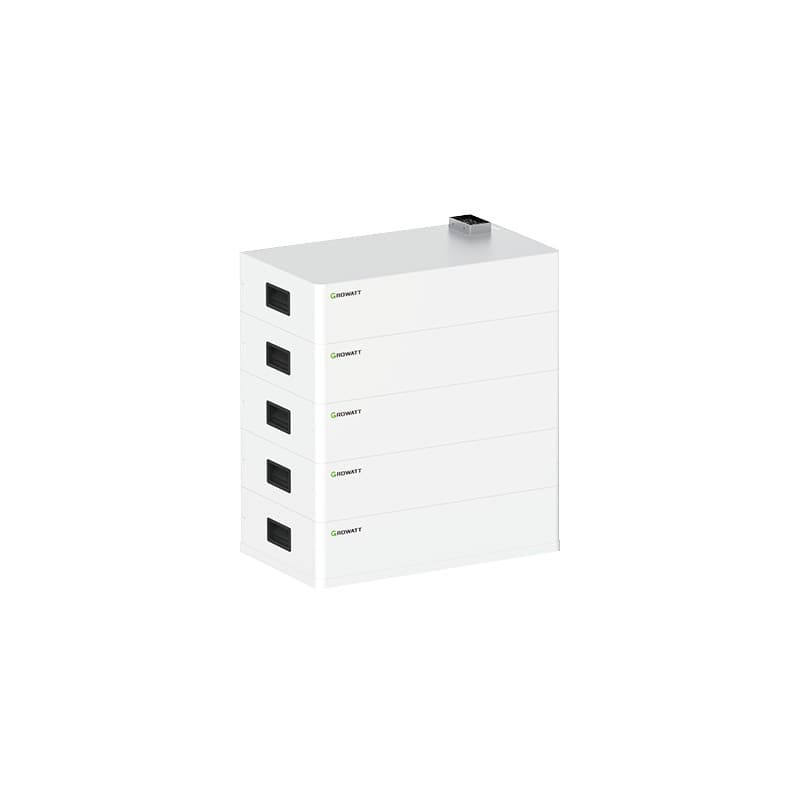
Growatt 5 kWh 51.2 V Lithium Solar Battery ALP5.0L-E2
- Nominal Energy:5kWh
- Nominal Voltage:51.2V
Three questions before any model name
- Does the house lose the grid? If it does, you need an inverter that can run loads alone and switch quickly. If it never does, a battery only shifts solar energy into the evening, and switching time is irrelevant.
- How many hours? Four hours of a house's use and a whole day off the grid are different batteries by a factor of six.
- Where will it hang? An IP20 unit lives in a dry room. An IP65 unit can live outside.
The rule that makes a pair: voltage
An inverter's record states the battery it accepts, either as a voltage range or by naming a battery. A battery's record states its own voltage range. The pair works when the second sits inside the first. Everything else — capacity, brand of cell, price — comes after.
Pairing 1: a house with power cuts
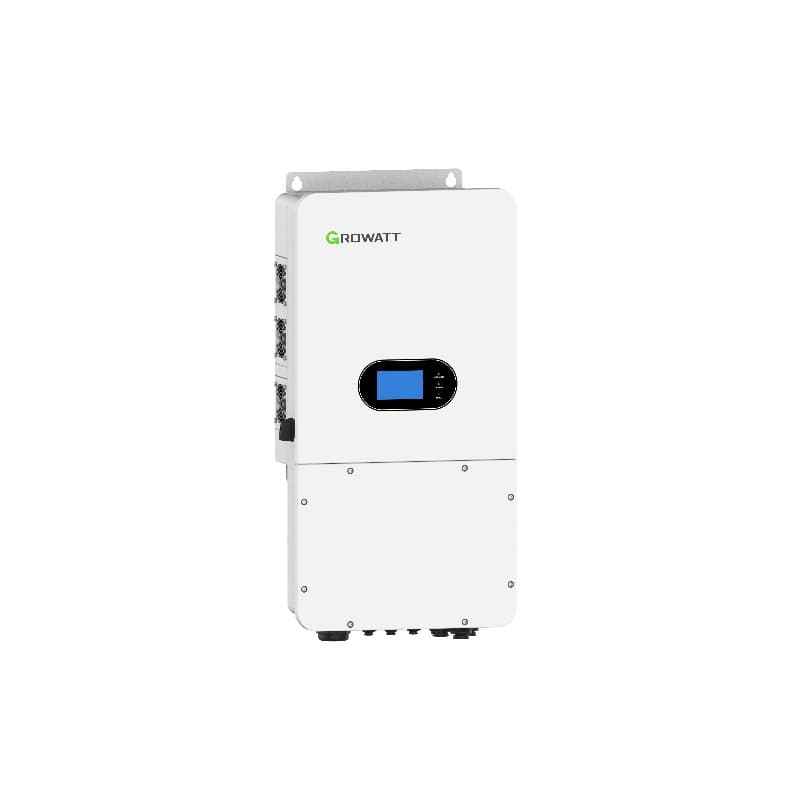
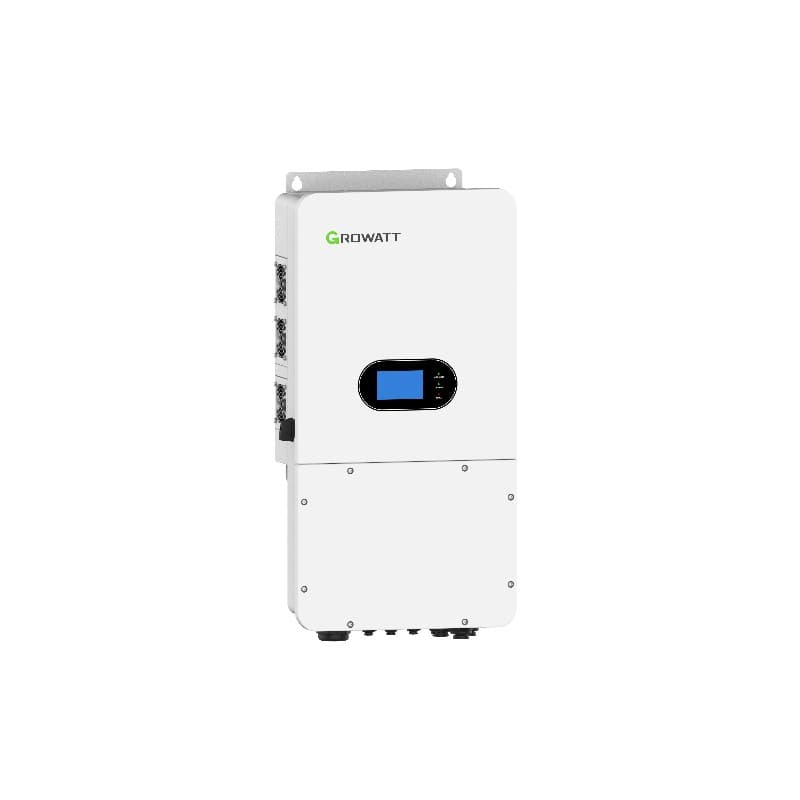
The SPH 10000TL-HU is a single-phase hybrid: 10,000 W of nominal AC power, three MPP trackers, and a battery input of 40–60 V at up to 200 A for lithium or lead-acid. Its record lists a UPS function with a 10 ms transition, charging from a generator, and IP65 protection, with an operating range of −25 °C to +60 °C and derating above 45 °C.
The ALP5.0L-E2 is a 51.2 V lithium iron phosphate battery whose voltage range, 46.4–57.6 V, lies inside that 40–60 V window. It states a nominal energy of 5 kWh and a rated energy of 4.6 kWh — read both — a 92% depth of discharge, IP66, and up to 8 packs in parallel. This is the pair our house evening-backup kit family is built on, with the battery line growing as the hours do.
Pairing 2: a smaller home, battery named by the inverter
The SPH 5000TL-HUB is the 5 kW answer. Its record does not leave the battery open: it names the ALP module, 1 to 8 of them, 5 to 40 kWh at a nominal 51.2 V, with a switch time of 15 ms or less and IP65 protection. One detail to read with care: that record writes the module as "ALP 5.0L-E1", while the battery in our catalogue is listed as ALP5.0L-E2. Both spellings are the records' own, and we print both rather than choose.
Pairing 3: off-grid, indoors
The SPF 6000 ES Plus is an off-grid inverter-charger: 6000VA/6000W rated, 12,000 VA of surge power, two MPP trackers and up to 8,000 W of PV. Its battery row reads 48 VDC, lithium or lead-acid, and it can run up to six units in parallel. Transfer time is 10 ms typical and 20 ms maximum. It is IP20 and rated for 0–55 °C: a unit for a ventilated room, not a wall in the sun.
Beside it, the ARK 5.1L: 5.12 kWh at a nominal 51.2 V, operating between 47.2 and 56.8 V, 90% depth of discharge, IP65. The farm kits on this site pair a 48 VDC SPF unit with ARK batteries in the same way. The whole ARK range is one page.
Pairing 4: battery later, at high voltage
The MIN 6000TL-XH is an on-grid inverter sold as battery ready. It names its battery — "ARK XH Battery System (5.1kWh~17.9kWh)" — and works it at 360–550 V with 6,000 W of charge and discharge power. The ARK XH record states a 400V/650V nominal voltage, an operating range of 360–950 V by configuration, and nine systems from 5.12 to 25.6 kWh. The inverter's row stops at 17.9 kWh and the battery's range runs to 25.6 kWh: plan on the inverter's figure.
The MIN XH record lists no surge or transfer-time row, so read this pairing as storage for self-consumption, not as backup for a house that loses the grid.
The four pairings in one table
| Pairing | Inverter rows | Battery rows | Suits |
|---|---|---|---|
| SPH 10000TL-HU + ALP5.0L-E2 | 10,000 W, 40–60 V input, UPS 10 ms, IP65 | 51.2 V, 46.4–57.6 V, 5 kWh nominal | A house with cuts |
| SPH 5000TL-HUB + ALP modules | 5,000 W, names the ALP module, switch ≤15 ms | 1–8 modules, 5–40 kWh | A smaller home with cuts |
| SPF 6000 ES Plus + ARK 5.1L | 6000VA/6000W, 48 VDC, surge 12,000 VA, IP20 | 51.2 V, 47.2–56.8 V, 5.12 kWh | Off-grid, indoors |
| MIN 6000TL-XH + ARK XH | 6,000 W, 360–550 V battery, names ARK XH | 400V/650V nominal, 5.12–25.6 kWh | Solar now, battery later |
And without a battery
The same search has a twin — the best inverter without battery for home. That is an on-grid inverter sized to the array, such as the MIN 9000TL-X2 in our house on-grid kit: 9,000 W, three MPP trackers, a maximum efficiency of 98.1%, IP66. It has no battery rows, so it stays without one.
From a pairing to your pairing
How much battery is a sum, and the sizing calculator does it from your own appliances and hours of backup, then names a pair whose records fit. To set two batteries or two inverters against each other, open the comparison tool; the ARK LV against APX HV battery page is the low-voltage or high-voltage question on its own. The price on each product page is the price you pay, and orders are collected from our stores in Dubai and Riyadh.
Frequently Asked Questions
Which Growatt inverter and battery go together for a home with power cuts?
Can I buy a Growatt inverter now and add the battery later?
Is a 48 V or a high-voltage battery better for a house?
What is the best Growatt inverter without a battery for a home?
Ready to order?
Every unit in the catalogue carries its price — add it to the cart and order online, then collect it from our store in Dubai or Riyadh.