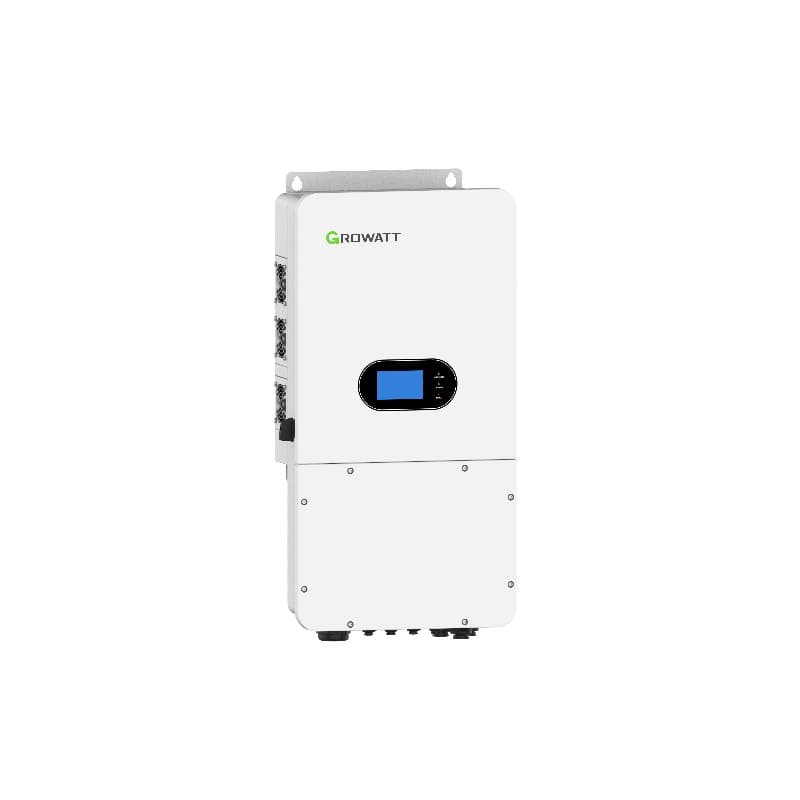
Step-by-step guide to installing a Growatt Noah balcony solar kit on an apartment balcony. Schuko wiring, country compliance (Germany VDE, Italy CEI, France UTE), and safe railing mounting.
The Growatt Noah 2000 is a plug-and-play balcony solar kit designed for renters and apartment owners who can't install a roof system. It pairs two or four 400–450 W modules with a built-in 2 kWh LFP storage module and a 800–1600 W micro-inverter, plugs into a regular Schuko outlet, and starts offsetting consumption in minutes. This guide covers physical install on a balcony railing, electrical considerations, and the country-by-country compliance steps for Germany, Italy, France, Spain, Austria, and the Netherlands — the six largest balcony-solar markets in Europe.
1. What's in the Noah 2000 Kit
- 1 × Noah 2000 storage and micro-inverter unit (IP65, 2 kWh LFP cells, integrated MPPT)
- 2 to 4 × balcony-grade PV modules — typically 400 W or 450 W (rigid glass or lightweight semi-flexible)
- 1 × Schuko AC cable, 3 m, with country-specific plug
- 2 × railing brackets per module (steel, powder-coated, adjustable 25–80 mm)
- MC4 connectors and 6 m solar cable per module
- Built-in Wi-Fi and Bluetooth — no separate dongle
- ShinePhone app for setup and monitoring
2. Country Compliance Before You Install
- Germany (VDE-AR-N 4105 + Solarpaket I, 2024): up to 800 W AC feed-in allowed without DNO approval, only a simple Marktstammdatenregister registration. Inverter must be VDE-listed; the Noah 2000 ships VDE-certified.
- Italy (CEI 0-21): "plug and play" tier up to 800 W permitted from 2024. Notify your DSO via the online portal within 30 days of install.
- France (UTE C15-712-1 + Enedis): declaration to Enedis required, no Consuel for ≤ 800 W. Use the Schuko-to-French-2P+E adapter supplied in the FR kit.
- Spain (RD 244/2019): up to 800 W self-consumption without compensation requires only a "comunicacion previa" to the autonomous community.
- Austria (TOR Erzeuger Typ A, OVE E 8101): 800 W limit aligned with Germany, registration via Netzbetreiber portal.
- Netherlands (NEN 1010): no power limit for behind-the-meter solar, but utility notification is courteous practice.
Outside the EU, check local rules — the Noah 2000 is sold in the UAE, Saudi Arabia, and South Africa, but balcony solar is not yet a recognised category in those markets and may require treating the unit as a small grid-tied system with full installer paperwork.
3. Pick a Safe Mounting Spot
- Solid balcony railing — steel, aluminium, or thick wrought iron. Avoid timber railings and decorative wrought iron without a hidden steel core.
- South-facing exposure is ideal; east or west loses 15–20% annual yield but still works.
- Avoid balconies subject to building bylaws restricting attachments — many German Mietverein contracts now expressly permit balcony solar after the 2024 Solarpaket.
- Position the Noah 2000 unit on the inside floor of the balcony, vertical and ventilated, within 6 m of the modules (cable length limit).
- Keep the unit out of direct rain (IP65 is splash-rated, not submersible).
4. Module Mounting on the Railing
- Open the railing bracket clamps to match the railing thickness (25–80 mm range).
- Position bracket on the railing, finger-tight at first. Two brackets per module, evenly spaced.
- Tilt angle: 20–30 deg from vertical for higher annual yield. The supplied brackets allow 5 deg steps from 0 (flat against railing) to 45 deg.
- Lift the module onto the brackets — two people for any module above 18 kg. Slide the module's frame into the bracket channels.
- Torque the bracket M8 bolts to 10 Nm with a calibrated wrench. Mark each bolt with paint pen.
- Verify the module cannot lift or slide. Tug-test at each corner.
5. PV Cable Routing
- Plug the module MC4 connectors into the supplied 6 m PV extension cables.
- Route the cable along the inside of the railing, secured every 30 cm with UV-resistant cable ties.
- Bring both positive and negative cables to the Noah 2000 PV input ports — never split the cable through a separate junction.
- For 2-module kits: connect both into the dedicated MC4 pair. For 4-module kits: use the included Y-splitter so two parallel strings of two modules each feed the single MPPT input.
6. AC Plug-In
- Confirm the Schuko outlet is on a circuit protected by a 16 A Type B or C MCB and a 30 mA Type A RCD (or Type B in some EU jurisdictions).
- Make sure no other heavy load shares the same circuit — kitchen kettle + Noah feed-in on the same outlet can briefly nudge current near the breaker limit.
- Plug the Noah AC cable into the outlet. The unit boots, fan spins up briefly, and the front LED pulses white.
- Within 60 seconds the unit reports PV voltage on the front display.
7. ShinePhone Bluetooth Pairing
- Install ShinePhone from the App Store or Google Play.
- Create a "Plant" with country = Germany / Italy / France etc. — country selection sets the grid code automatically (VDE-4105 for Germany, CEI 0-21 for Italy).
- Tap "+", then "Noah Balcony System". Allow Bluetooth access on your phone.
- The app scans and finds "Noah-XXXXXX". Tap to pair.
- Hand off to home Wi-Fi: pick your 2.4 GHz SSID, enter the password, save.
- The Noah front LED turns solid green when online.
8. Configuring the Power Output and Schedule
- Open the Noah tile in ShinePhone → "Settings".
- Set Max AC Output to your country's legal limit (800 W for DE/IT/AT/ES, higher for NL).
- Choose work mode: "Self-Consumption" (default) or "Schedule" if you want to ride out a time-of-use tariff.
- Battery min SOC: 10% recommended to extend cell life.
- Save — the unit applies settings within 10 seconds.
9. Verification and Safety Checks
- Confirm the Schuko plug stays cool to the touch under full output. A warm plug indicates a worn outlet — have an electrician replace the receptacle.
- Verify the Noah unit does not vibrate audibly at peak power. Soft thermal-cycling hum is normal; a buzzing sound usually means a loose internal cable — return for replacement under warranty.
- Run a 24-hour soak test — check ShinePhone for any error events.
- If your home consumption is below the Noah output, verify the meter does not block reverse current. Some old single-direction meters in Germany must be swapped by your DSO (free) before exporting.
10. Country-Specific Registration After Install
- Germany: register the system at
marktstammdatenregister.dewithin 1 month. Notify your network operator with a one-page form — most accept email. - Italy: file the comunicazione semplificata via the DSO portal within 30 days. No Terna registration required for ≤ 800 W.
- France: declare to Enedis via the online portal. No Consuel inspection for ≤ 800 W plug-and-play.
- Spain: submit comunicación previa to the autonomous community (regional government) within 1 month.
- Austria: Netzbetreiber portal registration. Usually approved silently within 4 weeks.
- Netherlands: no mandatory registration, but a courtesy email to your DSO is sensible.
11. Renting? Get the Landlord's OK in Writing
Even where balcony solar is now permitted by law (e.g. Germany after Solarpaket I), getting written landlord approval saves arguments later. Provide:
- One-page spec sheet of the Noah 2000 (IP65, no fixed installation, removable in 30 minutes)
- Photos of the bracket clamp showing no railing penetration
- Confirmation that you carry liability insurance covering the unit
12. Common Problems and Fixes
- "Grid frequency out of range" error: the inverter is happy but the country code is wrong. Change country in ShinePhone and the unit reboots in the right grid profile.
- Bluetooth pairing fails: phone Bluetooth cache. Toggle airplane mode for 10 s and retry.
- No feed-in despite sunshine: battery is full and self-consumption is zero. The Noah throttles to match house load — this is correct behaviour.
- Cell tariff confusion in mixed-tariff households: set "Schedule" mode to charge from PV only and discharge during peak hours.
Frequently Asked Questions
Is the Growatt Noah 2000 legal in Germany without a DNO approval?
How long does a Noah 2000 install take?
Do I need an electrician for the Growatt Noah?
Can the Noah 2000 power my apartment during a blackout?
What happens if I have a single-direction meter in Germany?
Can I take the Noah 2000 with me when I move?
How much does a Noah 2000 actually save per year?
Ready for a personalized quote?
WhatsApp us — average reply time under 15 minutes.
Related Products
Related Articles
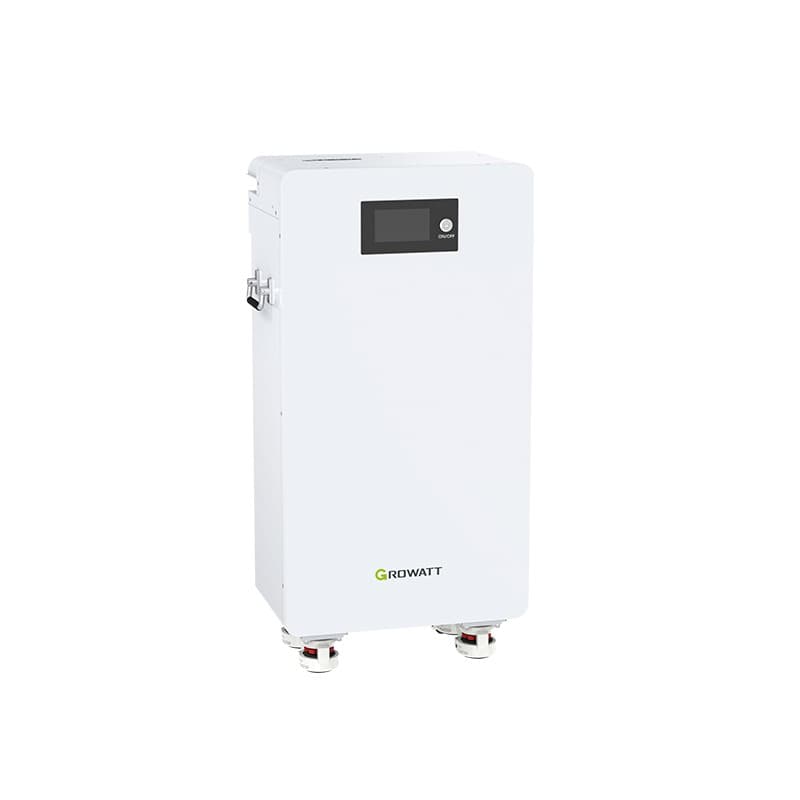
Growatt NOAH 2000 Balcony Storage Review — Plug-and-Play 2kWh for Apartments
Growatt Inverter Installation Cost in UAE 2026: Full AED Breakdown
Growatt vs Deye Inverters — Full 2026 Comparison for UAE and KSA Buyers