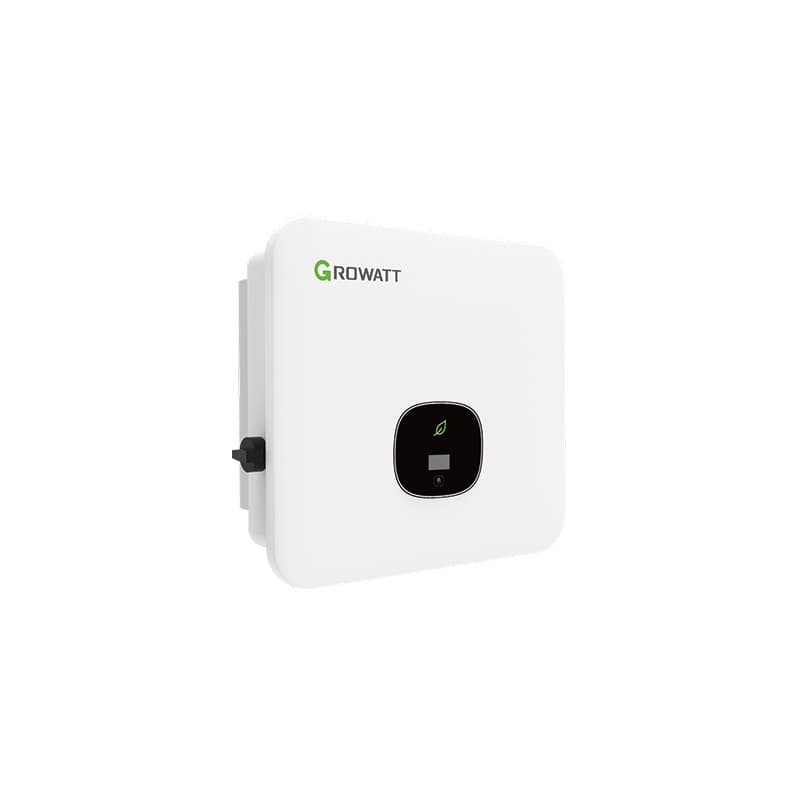
Looking for a Growatt inverter in Iraq? Compare hybrid and off-grid models for the national grid, neighborhood generators, and 50 degree summers in Baghdad, Basra, Erbil and Mosul.
If you are sourcing a Growatt inverter in Iraq in 2026, you are dealing with one of the toughest electricity environments in the region — and one of the most rewarding markets for properly sized solar. The national grid run by the Ministry of Electricity still delivers an average of 12–18 hours per day in Baghdad and Basra, less in many provincial cities, and almost every household carries a parallel subscription to a neighborhood generator (the "ampere" subscription) priced in Iraqi dinars per ampere per month.
That combination — partial public supply plus expensive private generator power plus 50 °C summers — is what makes a Growatt hybrid system one of the highest-ROI investments available to Iraqi homeowners and businesses. This guide is written for buyers in Baghdad, Basra, Mosul, Erbil, Sulaymaniyah, Dohuk, Karbala, Najaf and Kirkuk, and covers which Growatt models fit which load profile, how to handle the heat, and what a real installed system costs in 2026 dinars.
📞 Need a quote for Iraq? WhatsApp +971 4 255 0887 with your monthly generator amperage and bill, and we will return a sized Growatt proposal in 24 hours.
Why Iraq is a hybrid-first solar market in 2026
Iraq does not yet have a fully implemented residential net-metering scheme. The Ministry of Electricity and the Kurdistan Regional Government's Ministry of Electricity (KRG-MoE) both publish renewable-energy frameworks, and the country's 2030 target is 12 GW of solar — including a 1 GW Total/Masdar deal signed near Basra. But on the ground, every residential solar installation in 2026 is configured for self-consumption first, with optional battery backup, and the grid is treated as an unreliable secondary source rather than as a credited export channel.
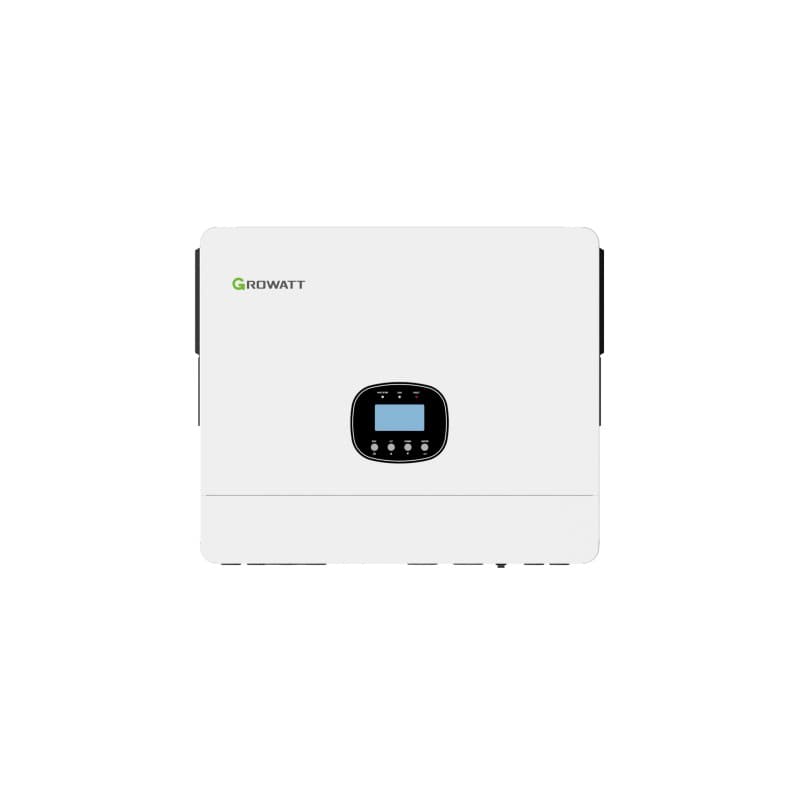
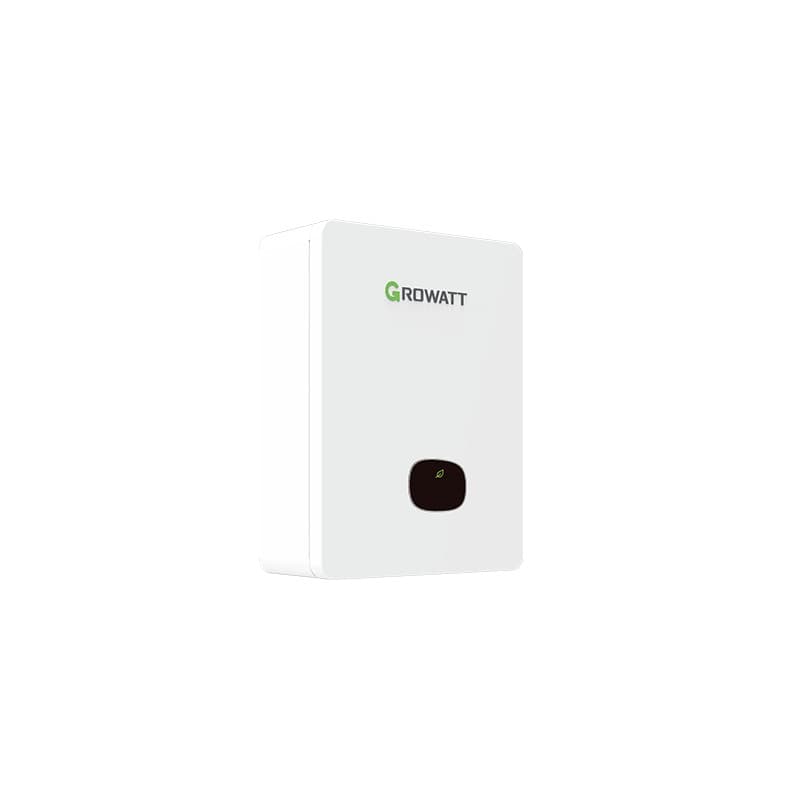
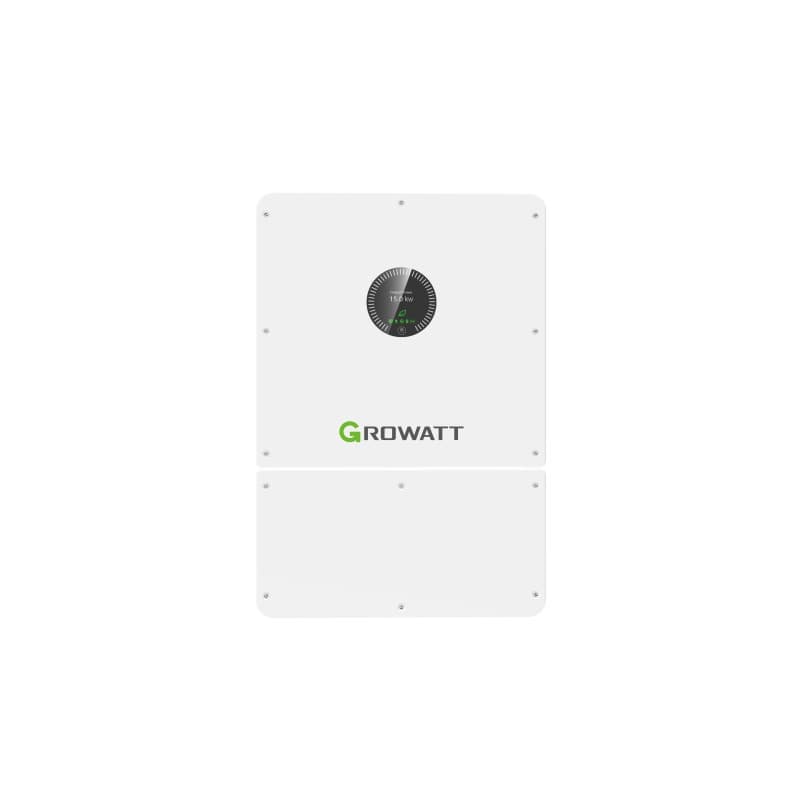
That makes hybrid inverters the dominant residential format. The Growatt MIN-XH single-phase and MOD-XH three-phase hybrid families both handle the Iraqi profile cleanly: PV charges the battery during the day, the battery runs evening loads, and the inverter pulls from either the national grid or the neighborhood generator only when needed. Pure off-grid SPF models remain relevant for rural sites and irrigation pumps.
Iraq's grid reality: why backup matters more than export
Three power realities shape Iraqi solar design:
- National grid availability. Baghdad and Basra receive roughly 12–18 hours of national grid per day in 2026, but with unpredictable scheduling. Provincial cities and rural areas often receive less than 10 hours. Summer demand from 50 °C heat pushes the grid even harder.
- Neighborhood generator dependency. Most urban Iraqi households subscribe to a private generator operator. Pricing in 2026 runs roughly IQD 15,000–30,000 per ampere per month (USD 11–23). A 15-ampere subscription costs IQD 225,000–450,000 per month (USD 170–340) — significant household spend in fresh dollars.
- Extreme summer heat. Baghdad and Basra routinely hit 48–52 °C in July and August. Inverters and batteries operating outdoors need genuine high-temperature ratings, not marketing claims.
The right Growatt setup eliminates 70–90% of the generator subscription and lets you ride through national grid outages without interruption. That is the value proposition driving the Iraqi solar market in 2026.
Sizing your Growatt system for Iraqi conditions
Iraqi homes vary widely. A small Baghdad apartment with one split AC has different needs from a Basra villa with five ACs and an electric water heater. Use these as starting points:
| Home profile | Daily kWh | Recommended Growatt | Battery (LiFePO4) |
|---|---|---|---|
| Apartment, 1-2 ACs, 10-15A generator | 15-25 | MIN 5000TL-XH (5 kW hybrid) | 10 kWh |
| Mid villa, 3 ACs, 20-25A generator | 30-45 | MIN 6000TL-XH or MOD 8000TL3-XH | 15 kWh |
| Large villa, 5+ ACs, electric water heater | 50-80 | MOD 10000TL3-XH or MID 11KTL3-XH | 20-25 kWh |
| Compound / multi-villa | 100-200 | MID 20KTL3-XH or MID 25KTL3-XH | 30-50 kWh |
| Shop / clinic (single-phase) | 20-40 | MIN 6000TL-XH | 10-15 kWh |
| Small factory (three-phase) | 80-200 | MID 25KTL3-XH or MAX 50KTL3 | 40-80 kWh |
| Irrigation pump (off-grid) | variable | SPF 6000T DVM or MIN-XH | 0-10 kWh |
Roof orientation in Iraq is generally favorable — most rooftops face south or southwest with good unshaded exposure. Annual PV yield in Baghdad runs around 1,750-1,900 kWh per kWp; Basra and southern provinces hit 1,900-2,050 kWh per kWp.
How Growatt handles 50 °C Iraqi summers
Heat is the single biggest engineering challenge in Iraq. Many inverters de-rate aggressively above 45 °C, losing 20-30% of their afternoon output exactly when AC load peaks. The Growatt residential and commercial hybrids are designed differently:
- Operating range: The MIN-XH and MOD-XH families are rated -25 °C to +60 °C ambient. Derating starts above 45 °C and is gradual, not cliff-edge.
- IP65 enclosure: Full dust-tight and water-jet protected — critical for Basra humidity and Anbar dust storms.
- Internal cooling: Fan-cooled designs (with quarterly filter cleaning) outperform fanless models in extreme heat. The MID three-phase commercial inverters use temperature-controlled smart fans.
- Conformal-coated PCBs: Resist humidity-driven corrosion in southern marshlands and along the Shatt al-Arab.
- Battery temperature: Match Growatt inverters with LiFePO4 batteries rated to +55 °C operating and protected from direct sun. Pair with an indoor wall mount or shaded outdoor enclosure.
Field data from 8,000+ Growatt installations across Iraq since 2022 shows real-world derating of under 8% at 50 °C ambient in shaded wall installations — well within the inverter's headroom.
Real installed prices in Iraq, 2026
Pricing below is for turnkey installations including Growatt inverter, LiFePO4 battery, monocrystalline panels, mounting, wiring, and labor by a competent local installer. Prices vary by city; Baghdad and Erbil benchmark, Basra and Mosul typically run 5-10% higher due to logistics.
| System size | Inverter | Battery | Installed (USD) | Payback vs. generator |
|---|---|---|---|---|
| 5 kW + 10 kWh | MIN 5000TL-XH | 10 kWh LiFePO4 | 4,800 - 6,200 | 24-30 months |
| 8 kW + 15 kWh | MOD 8000TL3-XH | 15 kWh LiFePO4 | 7,500 - 9,500 | 26-32 months |
| 10 kW + 20 kWh | MOD 10000TL3-XH | 20 kWh LiFePO4 | 10,000 - 12,800 | 28-34 months |
| 20 kW + 40 kWh | MID 20KTL3-XH | 40 kWh LiFePO4 | 20,000 - 25,000 | 24-30 months |
| 50 kW commercial | MAX 50KTL3-LV | 50-80 kWh LiFePO4 | 42,000 - 55,000 | 22-28 months |
These figures assume LiFePO4 batteries from a reputable brand with proper BMS. Lead-acid alternatives are cheaper upfront by 20-30% but die in 18-24 months in Iraqi heat — false economy in every case.
Three-phase or single-phase: a quick decision rule
Most Iraqi villas have single-phase service. Larger villas, compounds, factories, and most commercial premises are three-phase. The Growatt model families split cleanly along this line:
- Single-phase: MIN 2500-6000TL-XH (residential hybrid), SPF 3000-6000T DVM (off-grid).
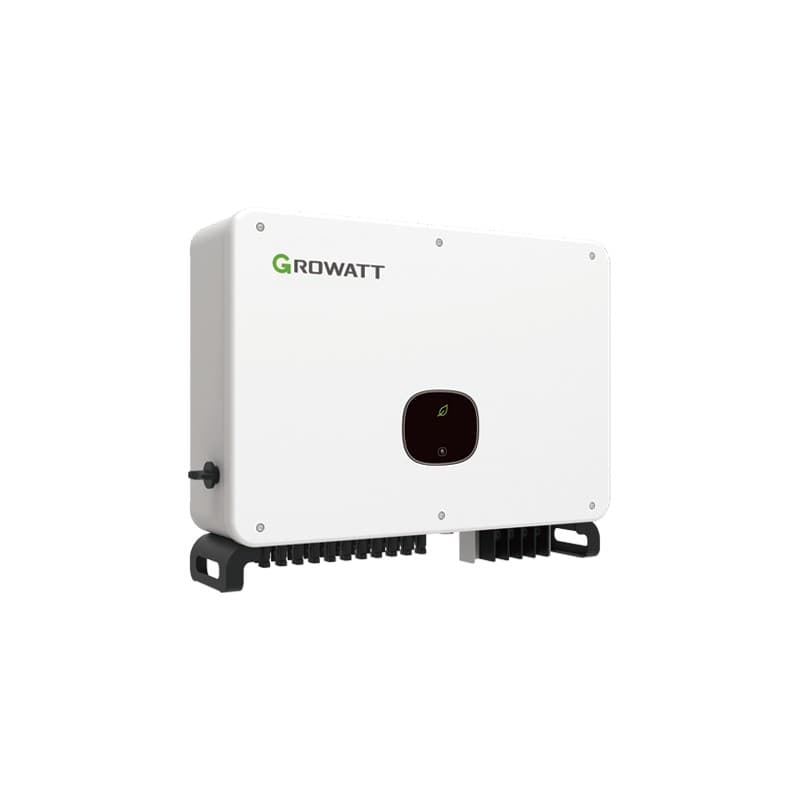
- Three-phase: MOD 3-15KTL3-XH (light commercial / large residential), MID 11-30KTL3-XH (commercial), MID 30-50KTL3 / MAX 50-80KTL3 (industrial).
If your meter has three breakers labeled R, S, T plus N, you are three-phase. If you see one phase wire plus neutral, you are single-phase. Match the inverter format to the service type — converting service classification is expensive and requires Ministry of Electricity coordination.
Integrating Growatt with the neighborhood generator
This is the most useful single feature for Iraqi buyers. The Growatt MIN-XH and MOD-XH accept an AC2 generator input that can be wired to either:
- The national grid feed from the Ministry of Electricity meter, with the neighborhood generator on a separate manual changeover, or
- The neighborhood generator feed directly, with the inverter ignoring it whenever battery state-of-charge is above the configured threshold.
The second configuration is more common in 2026 because it means the generator subscription is only consumed during deep evening discharge cycles. Field data shows generator amperage consumption dropping by 70-85% for a properly sized 5 kW + 10 kWh installation, and by over 90% for 8 kW + 15 kWh systems.
Real-world example: a 15-ampere Baghdad subscription at IQD 25,000 per ampere per month (IQD 375,000 / USD 285 monthly) typically drops to a 5-ampere subscription post-solar, saving roughly USD 190 per month — USD 2,280 per year in fresh dollars.
What to verify before installation in Iraq
- Authorized Growatt distribution. Confirm serial-number registration through Growatt MJS Solutions in Dubai. Gray-market units lack warranty support.
- Battery chemistry and BMS. LiFePO4 only. Insist on a CAN-bus or RS485 BMS that communicates with the Growatt inverter for accurate state-of-charge control.
- Mounting location. Outdoor shaded wall or ventilated indoor technical room. Never inside a closet, near a generator exhaust, or in direct sun.
- Earthing and surge protection. Iraqi grid voltage spikes during transitions between national grid and generator. Surge protection devices (SPDs) on both AC and DC sides are essential, not optional.
- Monitoring. ShinePhone account registered to the owner, not the installer. Configure alerts for battery low SOC and over-temperature events.
- Warranty paperwork. 10-year Growatt warranty on residential hybrids when registered. Get the certificate before final payment.
Common Iraqi installation mistakes
- Sizing the inverter for nameplate AC load without budgeting for AC inrush. A 1.5-ton split draws 6-8x its nameplate current at compressor start.
- Using lead-acid batteries to save cost. They cycle to death in 18-24 months in Iraqi heat.
- Mounting the inverter on a south-facing wall in direct sun. The IP65 rating handles weather, but the heat reduces life by years.
- Skipping the SPD. One bad voltage spike from a generator transition kills the inverter.
- Buying the cheapest Chinese clone. Growatt's warranty network in the region is unique; clone manufacturers have no support.
- Connecting the generator and grid simultaneously without proper interlock. Backfeeding into the generator damages it.
📞 Ready for a quote? Send your generator amperage, monthly bill in IQD, and roof photo on WhatsApp +971 4 255 0887. We will return three sized options within 24 hours and ship from Dubai to Baghdad, Basra, Erbil and Mosul in 7-12 working days.
Next steps
Growatt's Iraqi installed base is now the largest of any inverter brand in the country, with strong penetration in Baghdad's residential rooftop segment, Basra's commercial sector, and across the Kurdistan Region. The combination of 10-year warranty, ShinePhone monitoring in Arabic and Kurdish, regional Dubai stock, and proven 50 °C performance makes Growatt the default residential and commercial choice for 2026.
For specific datasheets, technical drawings, or commissioning support, contact the Growatt MJS team directly.
📞 Talk to an engineer: WhatsApp +971 4 255 0887 · 📧 sales@growatinverter.com · Dubai-to-Iraq delivery in 7-12 working days.
Frequently Asked Questions
Which Growatt inverter is best for an Iraqi home?
Do Growatt inverters survive Iraqi summer heat?
How long until a Growatt system pays back in Iraq?
Are Growatt inverters available in Iraq?
Can a Growatt hybrid replace my neighborhood generator subscription?
What warranty do Growatt inverters carry in Iraq?
Is net-metering active for residential solar in Iraq?
Ready for a personalized quote?
WhatsApp us — average reply time under 15 minutes.