Buying a Growatt solar inverter in Egypt 2026? Practical guide covering NREA feed-in tariff, EgyptERA grid code, residential rooftop sizing and EGP pricing.
Egypt has the largest residential rooftop solar opportunity in North Africa. After the 2014 Feed-In Tariff programme launched, the 2019 net-metering framework refined it, and the 2023-2025 tariff reforms reshaped the economics again, the Egyptian rooftop market is now growing at roughly 35-40% year-on-year. Growatt is one of the most-installed inverter brands in this market, with the MIN, MOD and MID series dominating residential and small-commercial installations from Cairo to Alexandria, Aswan to the Red Sea coast.
This guide is for Egyptian homeowners, EPC installers, agribusinesses, and small commercial buyers. It covers the NREA framework, EgyptERA grid code, sizing for typical Egyptian villas and apartments, and the Growatt models that work best under Egyptian conditions.
The 30-second answer for Egyptian buyers
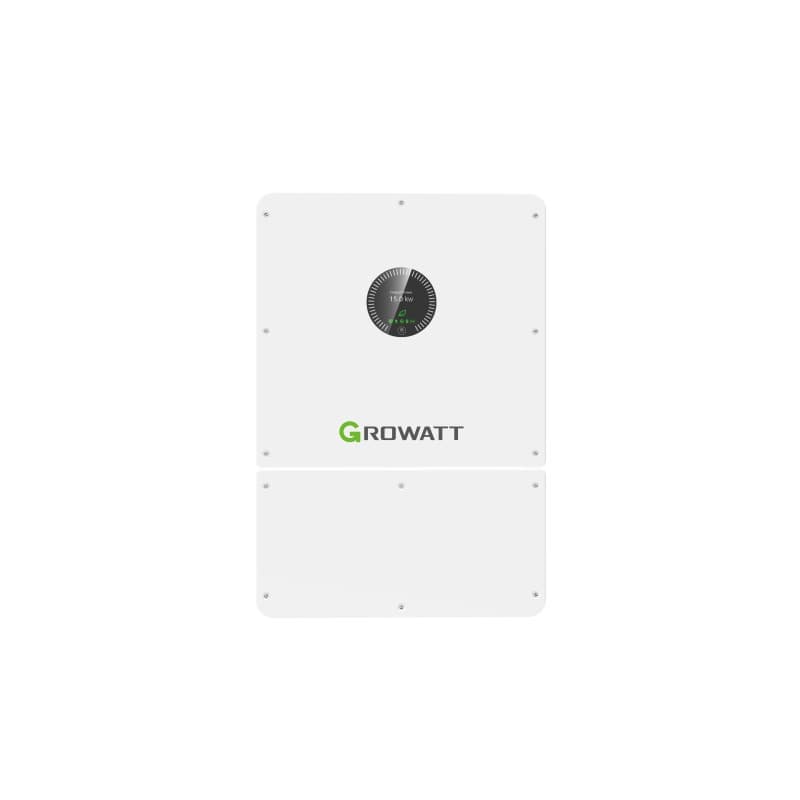
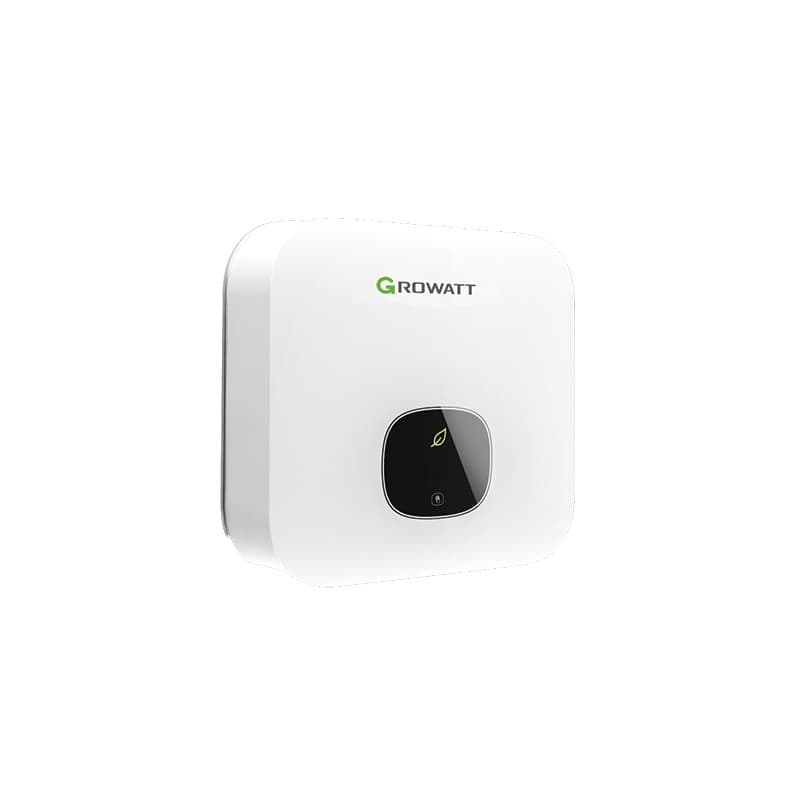
For a typical Cairo or Giza three-bedroom apartment or villa with 2-3 split ACs and a monthly electricity bill above EGP 1,500-3,500, the strongest 2026 pick is the Growatt MIN 5000TL-XH single-phase hybrid inverter paired with 6-7 kWp of bifacial panels and optionally 5-10 kWh of ARK lithium. For larger villas with three-phase service, step up to the MOD 8000TL3-XH.
For agribusiness pump systems in the Delta, Upper Egypt or the New Valley, the MID 15-30KTL3-XH hybrid or the MAX 50-80KTL3-LV string inverter handle three-phase pump loads cleanly.
Egypt's solar regulatory framework in 2026
Three institutions shape what you can install and how you get paid:
- NREA (New & Renewable Energy Authority) coordinates national renewable strategy and accredits installers for residential and small-commercial rooftop programmes.
- EgyptERA (Egyptian Electric Utility & Consumer Protection Regulatory Agency) publishes the grid code, the technical interconnection standards, and the equipment approval list for grid-tied inverters.
- EETC (Egyptian Electricity Transmission Company) and the regional distribution companies (Cairo Electricity Distribution, Alexandria, Canal, Behira, etc.) handle the connection contracts and meter installation.
The current residential framework allows net-metering up to 500 kW and feed-in tariff agreements for systems above that threshold. Tariffs were updated in 2023 to reflect the EGP devaluation and electricity subsidy reform; rates are reviewed annually.
What Egypt's grid code requires from your inverter
EgyptERA's technical regulations for grid-tied PV inverters require:
- IEC 62109-1 and IEC 62109-2 electrical safety certification.
- IEC 61727 grid interconnection with anti-islanding per IEC 62116 (2-second disconnect on grid loss).
- Voltage and frequency ride-through compliant with the Egyptian grid code — 198-242 V single-phase, 49.5-50.5 Hz nominal.
- EgyptERA-approved equipment listing — your installer must confirm the model number is on the current list before the EETC connection contract is signed.
- Egyptian Standards Organization (EOS) conformity for products imported into Egypt.
Growatt MIN-XH, MOD-XH, MID-XH and MAX series all carry TUV-certified IEC 62109 documentation and have been on EgyptERA's approved list since 2021.
Heat performance: Egyptian summer reality
Egypt's summer is hot but more variable than the Gulf. Cairo and Giza peak at 42-45 C ambient on rooftop installations during July-August. Aswan, Luxor and the New Valley regularly hit 48-50 C. The Red Sea coast adds humidity to the mix.
Growatt MIN-XH and MOD-XH derating curves stay flat to 45 C, then taper linearly to 80% at 60 C. In practice:
- Cairo/Alexandria rooftop installations see 0-5% derating at peak summer afternoons.
- Upper Egypt (Aswan, Luxor) sees 8-15% derating at peak — still well within usable range.
- Red Sea/Sinai coastal installations see lower thermal derating but higher humidity stress; the IP65 enclosure plus conformal coating is essential.
Sizing for Egyptian homes and commercial
| Property profile | Monthly bill (EGP) | Recommended Growatt | PV array | Battery (optional) |
|---|---|---|---|---|
| Apartment, 1-2 ACs, fridges, lighting | 800-1,500 | MIN 3600TL-XH (3.6 kW) | 4-5 kWp | 5 kWh ARK |
| 3-bed villa/apartment, 2-3 ACs | 1,500-3,000 | MIN 5000TL-XH (5 kW) | 6-7 kWp | 5-10 kWh ARK |
| 4-5 bed villa, 3-4 ACs | 3,000-6,000 | MOD 8000TL3-XH (8 kW three-phase) | 10-12 kWp | 10-15 kWh ARK XH |
| Compound / large villa | 6,000-12,000 | MOD 10000TL3-XH or MID 15KTL3-XH | 13-18 kWp | 15-25 kWh |
| Agribusiness pump / small farm | variable | MID 25-30KTL3-XH or MAC 50KTL3 | 25-50 kWp | not required (daytime pumping) |
| Factory / large commercial rooftop | 50,000+ | MAX 100-150KTL3-X LV | 100-200+ kWp | not required (feed-in) |
Real 2026 pricing in EGP
Pricing in Egypt has been highly volatile since 2022 due to currency movements. May 2026 indicative turnkey installed pricing:
| System | Approx. cost (EGP) | Typical payback |
|---|---|---|
| 3.6 kW MIN-XH grid-tie (no battery) | 85,000 – 120,000 | 4-6 years |
| 5 kW MIN-XH + 5 kWh ARK | 165,000 – 220,000 | 5-7 years |
| 8 kW MOD-XH + 10 kWh ARK | 260,000 – 340,000 | 5-7 years |
| 15 kW MID-XH commercial three-phase | 480,000 – 620,000 | 4-6 years |
| 30 kW MID-XH or MAC 50 | 900,000 – 1,250,000 | 3.5-5 years |
Inverter-only retail in EGP: MIN 5000TL-XH at 35,000-50,000 EGP; MOD 8000TL3-XH at 65,000-90,000 EGP; MID 25KTL3-XH at 175,000-235,000 EGP. Confirm with authorised Egyptian distributors — pricing tracks the EGP-USD rate and import duty schedule.
Top Growatt picks by Egyptian use case
1. Cairo / Giza three-bed villa: MIN 5000TL-XH
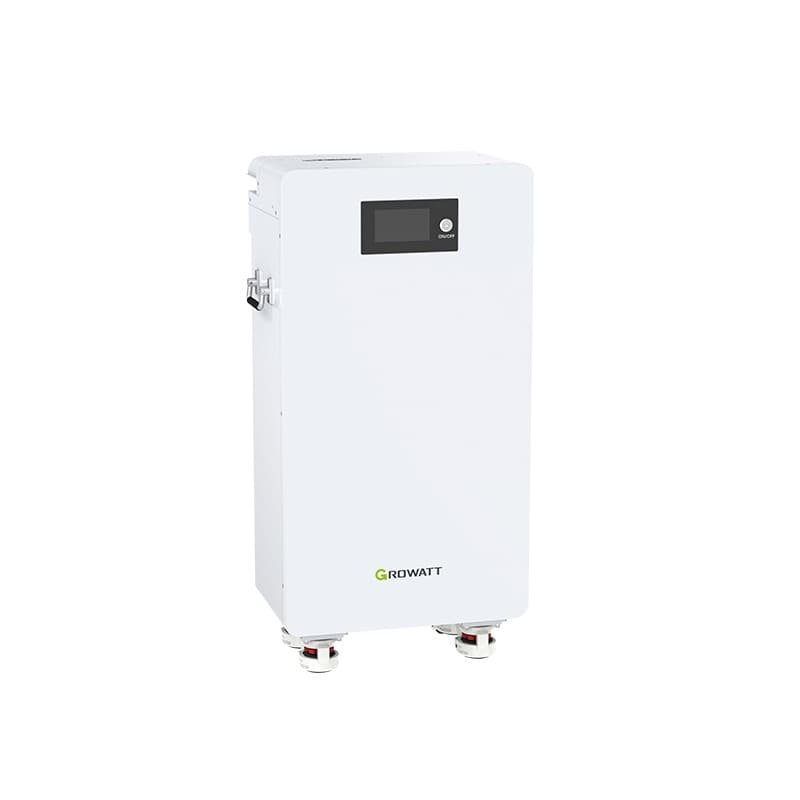
The workhorse for the Egyptian urban residential market. 5 kW single-phase hybrid, dual MPPT, IP65, 60 C rated, IEC 62109 certified, EgyptERA approved. Pairs natively with ARK 2.5L-A1 lithium batteries for evening AC operation through Cairo summers.
2. Alexandria or Upper Egypt villa: MOD 8000TL3-XH
For three-phase service or larger villas, the MOD 8000TL3-XH delivers 8 kW continuous, EPS backup output for essential loads during the increasingly frequent summer grid issues in Upper Egypt, and clean integration with diesel generators where backup matters.
3. Agribusiness pump in the Delta or New Valley: MID 25KTL3-XH
For three-phase irrigation pumps in the Nile Delta, Western Desert agricultural projects, or fish farms, the MID 25KTL3-XH delivers reliable 25 kW three-phase output with battery option for emergency-only backup. Most agricultural installations run pure grid-tie or pure off-grid depending on grid access.
4. Commercial rooftop in 10th of Ramadan, 6th of October, Borg El Arab: MAX 100KTL3-X LV
For industrial parks where the goal is maximum feed-in revenue under EgyptERA's commercial framework, the MAX 100-150KTL3-X LV delivers high-yield three-phase output with 12 MPPTs for complex roof geometries.
Net-metering vs feed-in: which fits your installation?
Egypt currently runs two parallel schemes:
- Net-metering (up to 500 kW): your meter records imports and exports separately, and at the end of each billing cycle the net is calculated. Excess export is carried forward to the next month with a 12-month rolling reset.
- Feed-in tariff (above 500 kW or specific commercial categories): you sell all generation to EETC at a contractually agreed rate, typically with a 25-year power purchase agreement.
For residential and most small-commercial installations, net-metering is the right path. For larger commercial or agricultural projects, feed-in agreements offer revenue certainty for long-term financing.
Where Growatt wins in Egypt
- Price-to-spec ratio works well for EGP-denominated buyers. MIN-XH and MOD-XH deliver Tier-1 thermal/IP at 25-35% below European brands.
- Authorised Egyptian distributor network with stock in Cairo and regional service partners in Alexandria, Mansoura, and Aswan.
- ShinePhone monitoring app supports Arabic interface and works across Egyptian mobile networks without VPN.
- ARK battery integration is native — no third-party BMS configuration needed for residential hybrid setups.
Mistakes to avoid in an Egyptian installation
- Buying through the grey market. Imports without proper EOS conformity certificates create headaches at customs and void Growatt warranty service.
- Skipping the EgyptERA approval step. Without an EgyptERA-approved equipment listing and a formal net-metering contract with the local distribution company, your exports earn nothing.
- Undersizing the panels for the inverter. A DC/AC ratio below 1.1 wastes inverter capacity. Target 1.15-1.3 for Egyptian conditions where seasonal output varies 30-40% between summer and winter.
- Ignoring sand and dust cleaning. Cairo and Upper Egypt installations need monthly panel cleaning and quarterly inverter heat-sink cleaning.
- Forgetting the import duty. Inverters imported by individuals attract higher duties than through registered distributors. Use the official channel.
The bottom line for Egyptian buyers
For most Egyptian homeowners and small-business buyers in 2026, the Growatt MIN-XH (single-phase) and MOD-XH (three-phase) hybrid families are the best price-performance choice — IEC 62109 certified, EgyptERA approved, designed for hot dusty conditions, and backed by an authorised Egyptian distributor with regional service coverage. Payback windows of 4-7 years are realistic under current net-metering tariffs, and the equipment has a proven Egyptian installed base from Alexandria to Aswan.
Frequently Asked Questions
Which Growatt inverter is best for an Egyptian villa in 2026?
Are Growatt inverters approved by EgyptERA?
How much does a 5 kW Growatt solar system cost in Egypt?
Does Egypt have net-metering for residential solar?
Do Growatt inverters work in 48-50 C Upper Egypt summers?
What is the typical payback period for Growatt solar in Egypt?
What warranty does Growatt offer in Egypt?
Ready for a personalized quote?
WhatsApp us — average reply time under 15 minutes.