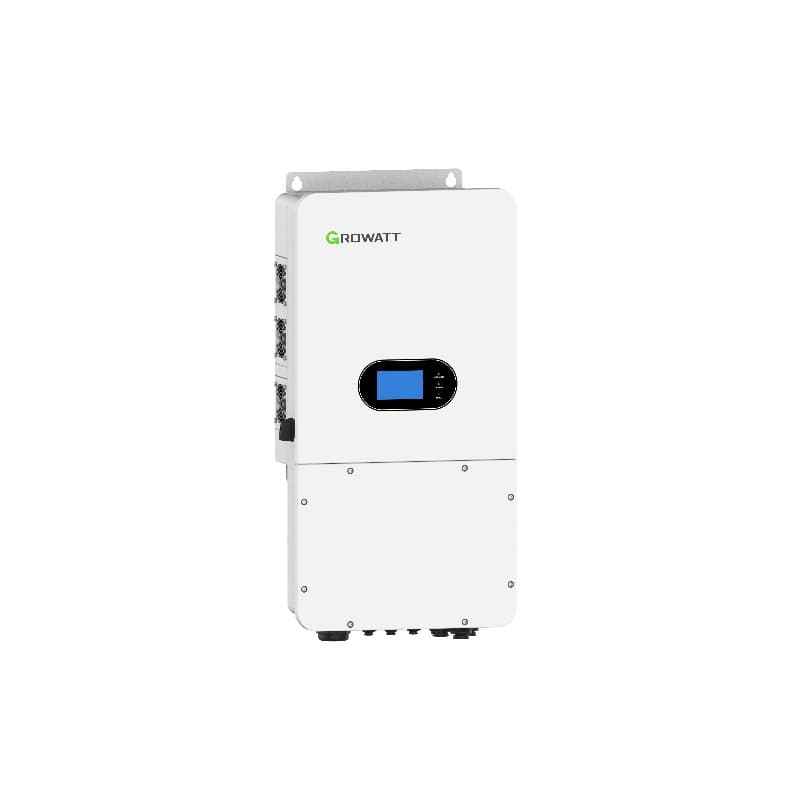
Picking a balcony solar battery in Germany or the Netherlands? We compare the Growatt NOAH 2000 with EcoFlow PowerStream, Anker SOLIX Balcony, and Zendure SolarFlow.
Balcony solar — Stecker-Solar in Germany, "plug-in solar" in the Netherlands, "kit solaire prise" in France — has exploded into a EUR 1.4 billion European category in 2026. Around 1.5 million German households now have a balcony PV kit on the railing, the wall, or hung from the parapet, with another 380,000 added in 2025 alone. Battery storage is the next chapter: until 2024 balcony PV simply fed the grid uncompensated; from late 2024 the German Solarpaket 1 reform legalised 800 W feed-in and unlocked compact AC-coupled batteries to time-shift midday surplus into evening cooking and lighting. The Growatt NOAH 2000 sits at the centre of this market — but it has serious competition. This guide compares it to EcoFlow PowerStream, Anker SOLIX Balcony, and Zendure SolarFlow with a named winner per buyer profile.
Why Balcony Storage Matters Now
A typical German apartment uses around 2,200 kWh/year. An 800 W balcony PV setup generates 800–950 kWh annually in southern Germany, 600–750 kWh in northern Germany or the Netherlands. Without storage, 50–70% of that midday production feeds back to the grid for free (the new 800 W feed-in rule pays only via specific opt-in tariffs that most apartment dwellers cannot easily access). With a battery, you self-consume 75–90% of generation — turning a EUR 350–450 annual savings into EUR 480–620 and shortening payback from 6+ years to 3–4 years on the PV-plus-storage bundle.
Side-by-Side Specs
| Spec | Growatt NOAH 2000 | EcoFlow PowerStream + DELTA Pro | Anker SOLIX Balcony | Zendure SolarFlow Hub 2000 |
|---|---|---|---|---|
| Usable capacity | 2.0 kWh (stackable to 8.0 kWh) | 3.6 kWh DELTA Pro | 1.6 kWh (stackable to 3.2 kWh) | 1.92 kWh (stackable to 7.68 kWh) |
| Max output | 800 W | 800 W (EU) | 800 W | 1,200 W (configurable to 800 W) |
| Chemistry | LiFePO4 | LiFePO4 | LiFePO4 | LiFePO4 |
| IP rating | IP65 | IP54 (Hub) + indoor battery | IP65 | IP65 |
| Cycle life | 6,000 cycles to 80% | 3,500 cycles to 80% | 6,000 cycles to 80% | 6,000 cycles to 80% |
| Warranty | 10 years | 5 years | 10 years | 10 years |
| Smart meter integration | Yes (Shelly 3EM, Tasmota) | Yes (EcoFlow Smart Plug) | Yes (Anker Plug) | Yes (Shelly Pro 3EM, CT clamp) |
| PV input | Direct DC, 2× MC4 strings, 600 W per string | Via microinverter, 800 W MPPT | Direct DC, 2× strings | Direct DC, 4× strings, 1,200 W total |
| Price (Germany 2026) | EUR 1,290 (2 kWh) / EUR 2,990 (4 kWh) | EUR 2,890 (with DELTA Pro) | EUR 999 (1.6 kWh) / EUR 1,690 (3.2 kWh) | EUR 1,499 (1.92 kWh) / EUR 4,200 (7.68 kWh) |
| Cost per kWh usable | EUR 645 | EUR 803 | EUR 624 | EUR 547 |
1. Growatt NOAH 2000 — Best for Long-Term Reliability
The NOAH 2000 is purpose-built for balcony storage. Unlike EcoFlow which adapts portable power station tech, NOAH is a permanent fixture: IP65, weather-sealed, wall-mountable, and stackable up to 4 modules for 8 kWh. The integrated MPPT means you connect panels directly via MC4 — no separate microinverter needed.
- Real strength: 10-year warranty with 6,000 cycle rating, OEM single-source design
- Real strength: Tight integration with Growatt ShinePhone app, Home Assistant integration via local API
- Drawback: 800 W output cap matches German regulation but loses to Zendure's 1,200 W for non-EU buyers
- Drawback: The single-string design limits PV configurations
Winner verdict: If you want the most durable, hands-off, set-and-forget balcony battery and you trust the Growatt service network (which is strong in Europe), buy NOAH. Best fit for a homeowner-style apartment in Bavaria or NRW with a south-facing balcony.
2. EcoFlow PowerStream + DELTA Pro — Best for Multi-Purpose Use
EcoFlow's strategy is different: PowerStream is the 800 W microinverter, DELTA Pro 3.6 kWh is the battery. The battery is the same DELTA Pro 3 you would use for camping, RV, or emergency power. So you get a balcony storage system that can ALSO be a portable power station.
- Real strength: Battery doubles as portable power — wheel it inside during winter, take it camping, use it during outages
- Real strength: Largest single-module capacity (3.6 kWh)
- Drawback: 3,500-cycle rating is half of competitors
- Drawback: Battery is not IP-rated, must stay indoors — defeats some balcony-only installs
- Drawback: Highest cost per usable kWh in this comparison
Winner verdict: If you also want a portable power station (caravans, festivals, blackouts), EcoFlow wins. If you want pure balcony storage, it loses on EUR/kWh and lifetime cycles.
3. Anker SOLIX Balcony — Best for Budget Buyers
Anker's balcony bundle entered Germany in late 2024 and went aggressive on price. SOLIX Solarbank 2 E1600 Pro is 1.6 kWh modular, IP65, with a 10-year warranty matching NOAH. The Anker app is the most polished in the segment by a wide margin.
- Real strength: EUR 624/kWh — best new-buyer entry price
- Real strength: Anker app integrates seamlessly with smart plugs, Apple Home, Google Home
- Real strength: Strong consumer-electronics retail channel (MediaMarkt, Saturn, Amazon)
- Drawback: Maximum stack is 2 modules = 3.2 kWh, limits expansion
- Drawback: Slightly higher self-consumption (idle draw) than NOAH or Zendure
Winner verdict: Best for first-time balcony storage buyers who want plug-and-play integration with a phone-first home app ecosystem. EUR 999 entry price is hard to beat.
4. Zendure SolarFlow Hub 2000 — Best for Maximum Stacking and German Heatpumps
Zendure's SolarFlow is the most flexible system in the comparison: 4 PV inputs, up to 1,200 W output (configurable for non-EU jurisdictions), modular stacking to 7.68 kWh, and 1,200 W charge from solar — fastest in the segment. CT-clamp smart meter integration is the most accurate.
- Real strength: Best EUR/kWh in the comparison (EUR 547)
- Real strength: 4 PV strings — you can split panels across two sides of a balcony or one panel on the balcony and one on the roof of a Reihenhaus
- Real strength: Highest input charge rate — recharges fastest on a sunny afternoon
- Real strength: Heatpump-aware mode in firmware 2.5+ throttles output to match Wärmepumpe consumption profiles
- Drawback: System is more complex to configure — CT clamp installation requires basic electrical comfort
- Drawback: Customer support is the weakest of the four brands in Europe (improving but behind Anker and Growatt)
Winner verdict: Best for tech-curious German/Dutch homeowners with heat pumps, multi-orientation PV, or expansion plans up to 7.68 kWh. Also best if you might emigrate or relocate to a country that allows >800 W feed-in.
Buyer Profile Verdicts
| You Are... | Winner | Why |
|---|---|---|
| First-time buyer, budget < EUR 1,200 | Anker SOLIX Solarbank 2 E1600 Pro | Lowest entry price, polished app, retail channel |
| Long-term reliability over 10 years | Growatt NOAH 2000 | 10-year warranty + 6,000 cycles + IP65 + Growatt service depth |
| Want portable + balcony combo | EcoFlow PowerStream + DELTA Pro | Only system that doubles as portable power |
| Heat pump household, multi-orientation PV | Zendure SolarFlow Hub 2000 | 4 PV inputs, heatpump-aware firmware, lowest EUR/kWh |
| Maximum capacity in one stack | Zendure (7.68 kWh) or Growatt (8.0 kWh) | Both stack 4 modules; NOAH wins on warranty, Zendure on price |
| Want Home Assistant local integration | Growatt NOAH 2000 | Best documented local API, no cloud dependency |
Germany vs Netherlands — Regulatory Notes
Germany: Solarpaket 1 (May 2024) raised balcony PV feed-in cap from 600 W to 800 W and removed the requirement to use a special meter or register with the grid operator's portal. The standard Marktstammdatenregister registration takes 5 minutes online. Vermieter (landlord) consent is required but cannot be withheld unreasonably under the new tenancy reforms.
Netherlands: Salderingsregeling (net-metering) is being phased out 2025–2031, which is why Dutch buyers now prioritise battery storage harder than German buyers. Plug-in solar up to 800 W is permitted without notification to the grid operator. Local utilities like Vattenfall and Eneco offer optional smart export rates that pair well with battery time-shifting.
Austria, Belgium (Flanders), Spain, Portugal: All permit balcony PV under 800 W without grid-operator notification. France's mandatory CONSUEL inspection requirement for fixed installations does not apply to balcony plug-in kits.
Installation Reality Check
None of these batteries require an electrician for the storage side — they all use a standard Schuko plug for the 800 W output. The PV side connects via standard MC4 connectors. What you do need:
- A south, southeast, or southwest-facing balcony or facade
- Two 400–425 W bifacial or mono-PERC panels (Trina, JA Solar, Jinko all sell balcony-friendly sizes around 1755 × 1038 mm)
- Mounting hardware (Solarinvert Balkonhalter, K2 Systems, or generic clamps for railings)
- A Schuko outlet on the balcony or fed from inside via an extension
- 5 minutes to register on Marktstammdatenregister (Germany) or your country's equivalent
Our Pick Across the Whole Market
For 60% of German and Dutch balcony storage buyers in 2026, the Growatt NOAH 2000 is the right answer. It is not the cheapest (Anker wins on price) and not the most flexible (Zendure wins on configurability), but it is the most durable purpose-built balcony battery with the best service network in the EU. EUR 1,290 buys 2 kWh of permanently outdoor-rated storage that will outlast the apartment lease. For first-time buyers on a hard budget, switch to Anker SOLIX. For heat-pump households or expansion-minded owners, switch to Zendure SolarFlow. EcoFlow is a niche pick — only buy it if portability matters as much as fixed storage.
Frequently Asked Questions
What is the best balcony solar battery in Germany 2026?
How much does Growatt NOAH 2000 cost in Germany?
Is the Growatt NOAH 2000 better than EcoFlow PowerStream?
Can I stack multiple Growatt NOAH 2000 batteries?
Does the Growatt NOAH work in the Netherlands?
What is the warranty on the Growatt NOAH 2000?
Can I use the Growatt NOAH without a balcony?
Ready for a personalized quote?
WhatsApp us — average reply time under 15 minutes.
Related Products
Related Articles
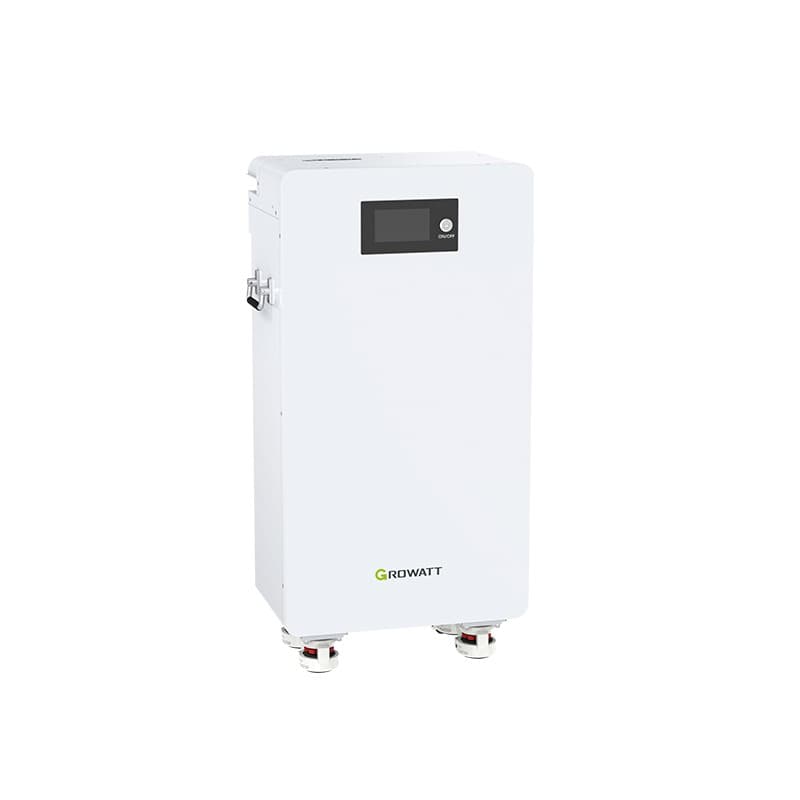
Growatt NOAH 2000 Balcony Storage Review — Plug-and-Play 2kWh for Apartments
Growatt Noah Balcony Installation — Plug-and-Play Solar for Apartments
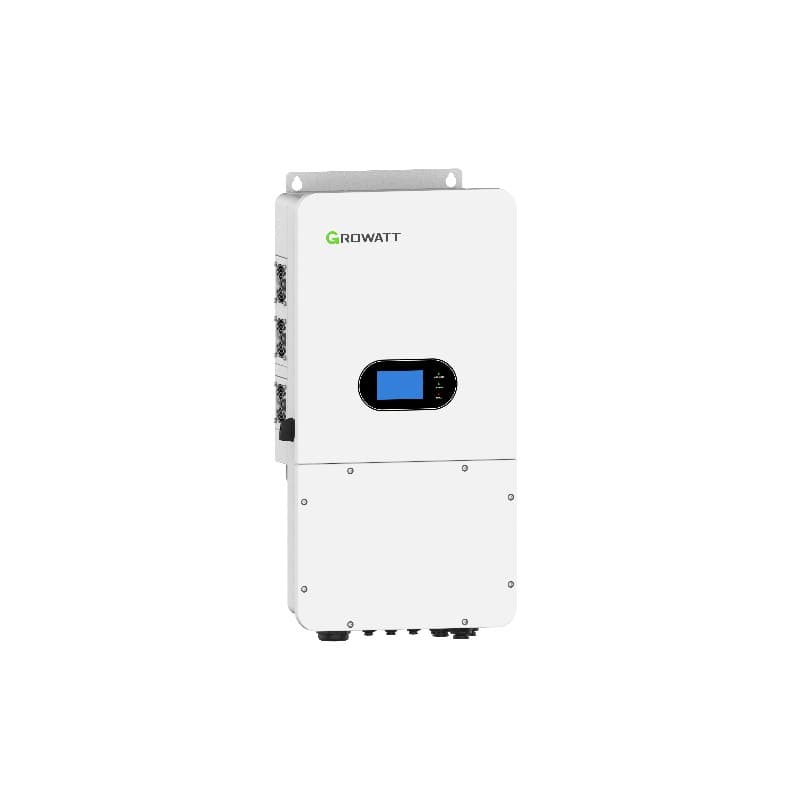
Growatt SPH Hybrid Inverter Review (2026): SPH 4-10kW Tested