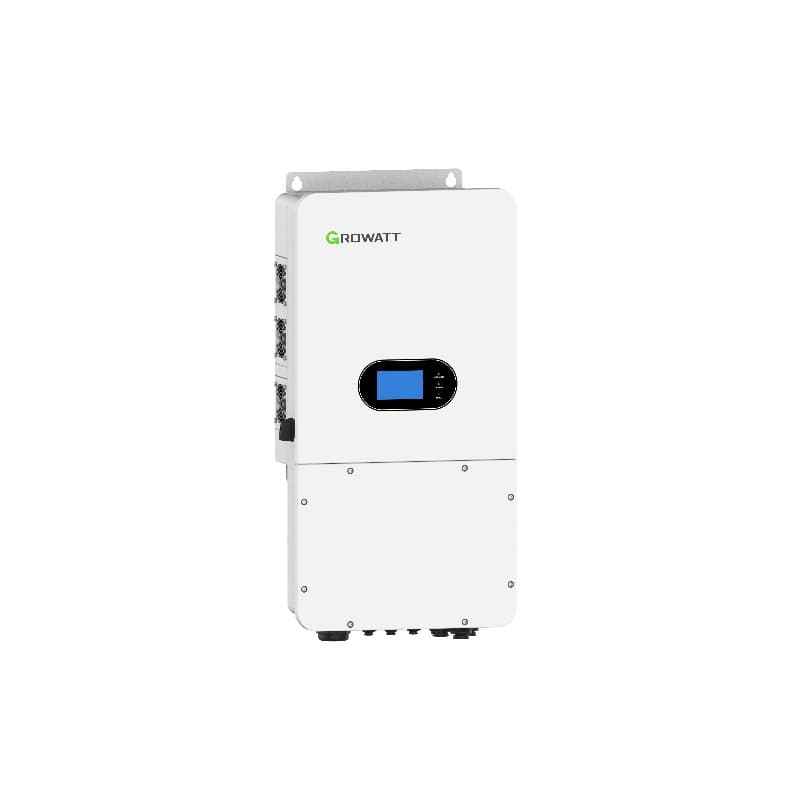
Hybrid vs string inverter Growatt: deep-dive on MOD vs SPH ranges, battery readiness, ShinePhone monitoring, and which family future-proofs your UAE solar install.
Growatt's residential inverter line splits cleanly into two families: the MOD series (string, grid-tied only) and the SPH series (hybrid, battery-ready). Both share the same monitoring backbone (ShinePhone + ShineServer), the same DEWA Shams Dubai approval status, and the same 10-year manufacturer warranty when registered through Growatt MJS Solutions. The difference lies in what they can do with the DC power coming off your roof — and what they let you do with electricity bought off the grid.
This guide is built for installers and informed homeowners across the UAE, KSA, Oman, Bahrain, Qatar, Kuwait, Egypt, and the wider 17-region footprint we serve from Dubai. We compare the real SKUs we stock — MOD 3-15KTL3-X, MOD 3-15KTL3-X2 Pro, MOD 3-15KTL3-HU, SPH 3000-6000TL BL-UP, SPH 4000-10000TL3 BH-UP, and the larger WIT 4-25K-HU range — against actual price points, payback math, and the seven scenarios where the wrong choice will haunt you for a decade.
The MOD String Family — What It Is and Is Not
The MOD series is Growatt's bread-and-butter residential string inverter. It converts DC from your PV array directly into grid-synchronous AC, exports any surplus to DEWA / SEC / EWA / KAHRAMAA, and shuts off completely the moment the grid drops. It has no battery terminals, no UPS port, and no backup output. It does, however, have two or three MPPT trackers, dual PV strings per MPPT on the larger Pro variants, transformerless topology with European-spec 98.6% peak efficiency, and a fanless aluminum housing rated to IP66 for rooftop mounting.
- Function: PV-to-grid only, with active anti-islanding for utility safety
- Battery support: None — terminal blocks do not exist on the PCB
- Backup during outage: No — relays open within 80 ms of grid loss
- MPPT trackers: 2 on MOD 3-10K, 3 on MOD 12K-15K Pro
- Peak efficiency: 98.6% (EU weighted 98.4%)
- Cost (8 kW): AED 2,400-3,200 depending on Pro vs X2 vs HU sub-family
- Best for: Pure DEWA net-metering villas where the grid is reliable and the customer cares about payback period, not blackout resilience
The SPH Hybrid Family — What It Adds
The SPH series is the hybrid you want if you have batteries today or plan to add them within the inverter's 10-year warranty window. The single-phase SPH 3000-6000TL BL-UP suits typical UAE villas and KSA standalone homes; the three-phase SPH 4000-10000TL3 BH-UP serves larger compounds and small commercial loads. Both pair natively with Growatt's ARK-XH high-voltage battery stack on the DC bus, eliminating the conversion step that low-voltage hybrids must perform.
- Function: Solar + battery + grid + backup load management, all under one shell
- Battery chemistry supported: LiFePO4 (ARK-XH HV preferred, ARK-LV / APX-LV as fallback)
- Backup transfer time: <10 ms via the dedicated EPS port
- Self-consumption mode: Yes — prioritises home loads before grid export
- Time-of-use scheduling: 6 user-defined windows, configured in ShinePhone
- Cost (8 kW): AED 4,800-6,500 depending on phase and HV vs LV pairing
- Best for: Homes that lose power during summer storms, anywhere with TOU tariffs, or future-proofers
Direct Cost Comparison — 8 kW UAE Villa
| Line Item | MOD String | SPH Hybrid + ARK-XH 7.5 kWh |
|---|---|---|
| Inverter (8 kW) | AED 2,800 | AED 5,200 |
| Battery stack | — | AED 11,500 |
| BMS / cabling / breakers | AED 600 | AED 1,400 |
| PV array (16 panels × 575 W bifacial) | AED 8,800 | AED 8,800 |
| Mounting + DC isolators | AED 3,200 | AED 3,200 |
| Labour + commissioning | AED 2,800 | AED 3,600 |
| Total installed | AED 18,200 | AED 33,700 |
| Monthly DEWA offset | AED 480-620 | AED 580-780 |
| Simple payback | 2.6-3.2 years | 4.3-5.2 years |
| Blackout resilience | Zero | 8-12 hours essentials |
The Future-Proofing Math Nobody Spreadsheets
The MOD-to-SPH upgrade path does not exist. If you install a MOD 8K today and decide in 2030 that you want batteries, you are not adding a battery — you are pulling the MOD off the wall, scrapping its DEWA approval certificate, buying an SPH at 2030 pricing (likely AED 6,500-7,500), redoing the AC wiring, re-permitting with the utility, and paying labour twice. Realistic all-in cost of that pivot: AED 12,000-15,000 in 2026 dirhams, before you have bought a single battery cell.
The SPH premium today is AED 2,400. The cost of being wrong is roughly 5× that figure. This is why we lead almost every residential consultation with the SPH series, even when the customer initially says "I do not want batteries." The inverter is happy to run as a pure grid-tied unit with the battery terminals empty — just add ARK-XH modules whenever the budget catches up.
Where the MOD Series Still Wins
String inverters are not obsolete. There are three crisp scenarios where MOD beats SPH on every metric that matters:
- Pure ROI commercial rooftops — A 100 kWp Sharjah warehouse exporting 100% to SEWA does not care about backup. Stack two MOD 50KTL3-X units, claim the lowest €/W on the market, and bank the difference.
- Tight tenant fit-outs — Rental villas where the landlord will not approve a battery cabinet near the DB, but will sign off on a roof-mounted inverter and net-metering paperwork.
- Generator-backed sites — Compounds with an existing diesel genset already solve the outage problem. Adding batteries duplicates capability. MOD keeps the bill of materials lean.
The HU vs Pro Sub-Series Decision Inside MOD
If you have settled on string, you still have to pick between MOD 3-15KTL3-HU (basic) and MOD 3-15KTL3-X2 Pro (premium). The HU is a single-MPPT, transformerless, no-frills box at AED 2,200-2,600. The X2 Pro adds a second MPPT, supports up to 1.5× DC oversizing, and includes ShineWiFi-X built-in instead of an external dongle. For UAE rooftops where partial morning shade from water tanks or stairwells is common, the X2 Pro's dual MPPT pays for itself in recovered yield within 18 months.
The HV vs LV Battery Decision Inside SPH
SPH inverters speak both high-voltage (ARK-XH at ~400 VDC) and low-voltage (ARK-LV / APX at 51.2 VDC) battery dialects. HV pairs run at 96% round-trip efficiency under typical 5 kW evening loads; LV pairs hover at 92% because the inverter has to boost lower voltages. Over 10 years, the 4 percentage points compound into roughly AED 4,200 of extra DEWA imports for an average villa. Combined with smaller copper sizing (HV draws less current for the same kW), HV wins on TCO unless you are pairing with a legacy 48 V battery you already own. We cover this in depth in our companion guide on Growatt high-voltage battery system architecture.
Three-Phase Threshold — Where SPH Becomes WIT
The SPH range tops out at 10 kW. Beyond that, Growatt's residential-commercial bridge is the WIT 4-25K-HU and WIT 28-55K-HU. Same SPH DNA, same ARK-XH compatibility, but proper three-phase output with grid-forming capability that satisfies SEC's commercial interconnect rules. If your villa is 800 m² with two AC compressors running at once, you are probably already three-phase, and SPH-3 or WIT is the only legitimate hybrid choice.
Our 2026 Recommendation Matrix
| Customer Profile | Recommended SKU |
|---|---|
| 5-7 kW villa, batteries planned within 3 years | SPH 5000-6000TL BL-UP + ARK-XH 5 kW starter |
| 8-10 kW villa, three-phase mains | SPH 4000-10000TL3 BH-UP + ARK-XH 7.5 kW |
| 5-10 kW villa, pure ROI, no backup interest | MOD 3-15KTL3-X2 Pro (8 kW) |
| 15-30 kW small commercial, batteries planned | WIT 4-25K-HU (24 kW) |
| 15-50 kW pure export commercial | MAX 50-80KTL3-LV (50 kW) |
| Compound >30 kW with batteries | WIT 28-55K-HU + APX HV commercial battery |
The Verdict
For UAE residential installations in 2026, the answer is SPH hybrid in roughly 8 out of 10 cases. The AED 2,400 premium over MOD buys backup, TOU savings, ShinePhone load-shifting, and — critically — the option to stay rational about batteries instead of being forced into an emergency decision when the inverter dies in 2035. The 20% of installations that still favour MOD are commercial-export, ultra-tight-budget, or generator-redundant. If you cannot definitively place yourself in that 20%, you belong in the SPH camp.
Frequently Asked Questions
What is the real difference between Growatt MOD and SPH inverters?
Can I add a battery to a Growatt MOD string inverter later?
Is the SPH hybrid worth AED 2,400 more than the MOD string for my UAE villa?
Which Growatt SPH model fits a standard 8 kW UAE villa with single-phase DEWA service?
What is the warranty on Growatt MOD and SPH inverters in the Middle East?
Does the MOD Pro series support the same DC oversizing as SPH for UAE summer heat?
Can I monitor MOD and SPH inverters from the same ShinePhone app?
Ready for a personalized quote?
WhatsApp us — average reply time under 15 minutes.
Related Products
Related Articles
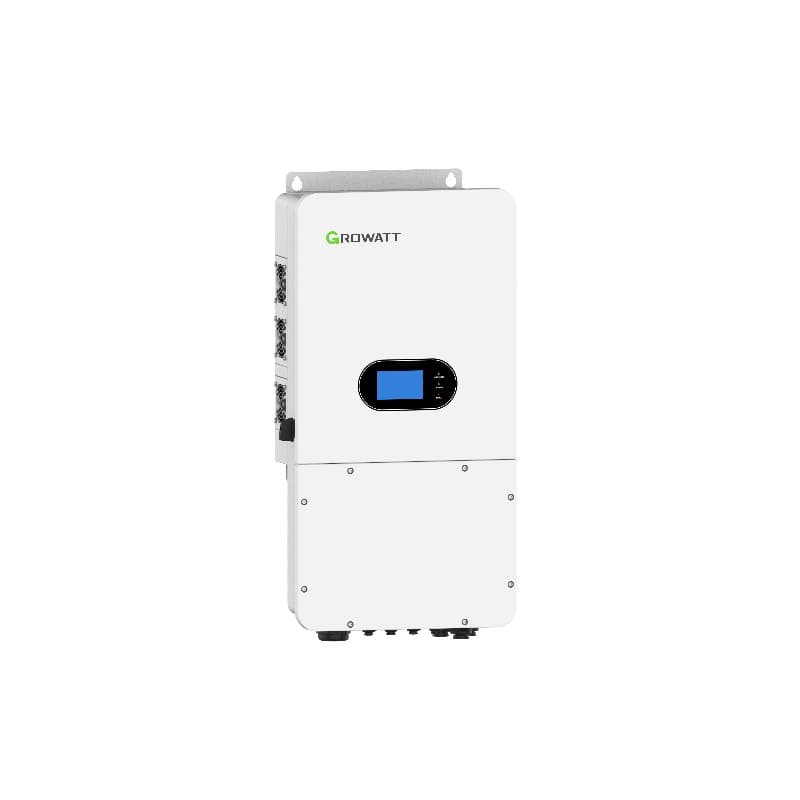
Growatt Time of Use Solar Net Metering — Programming SPH for DEWA and SEC TOU Tariffs
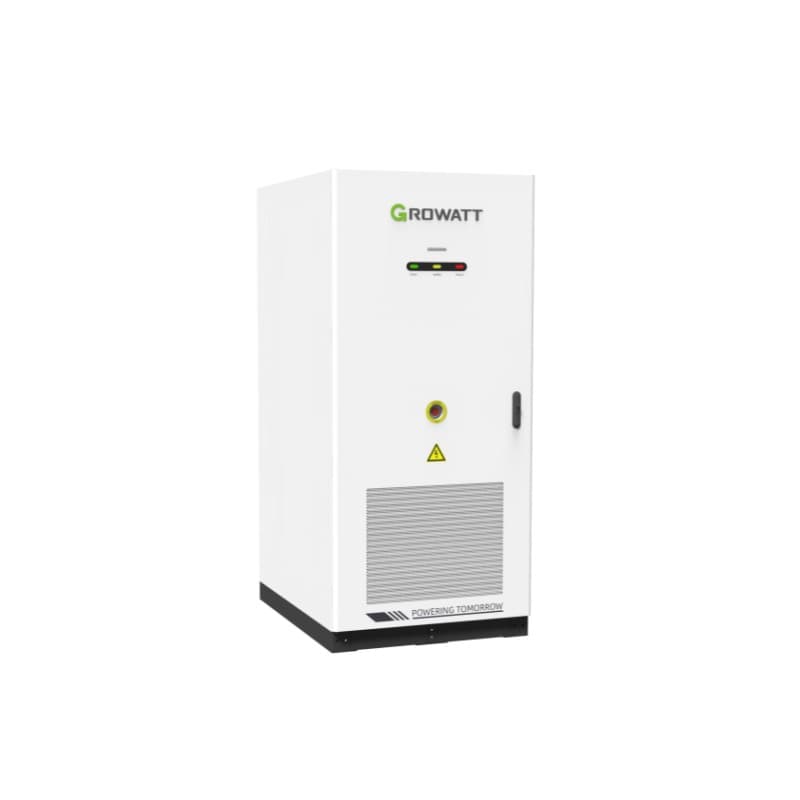
Growatt High Voltage Battery System — Why ARK-XH Beats LV by 4% Round-Trip
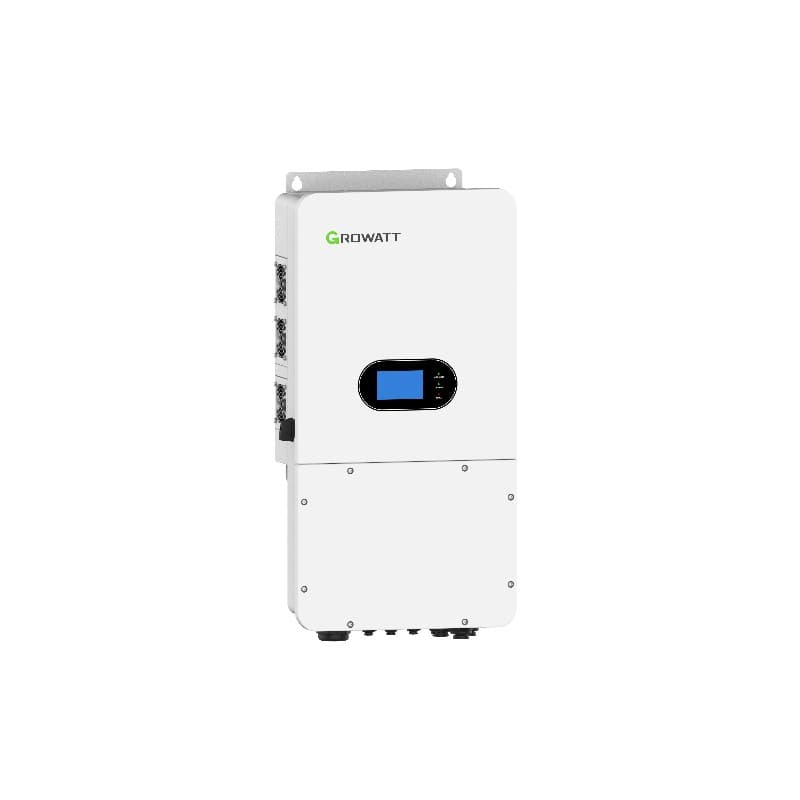
Growatt SPH vs SPA Inverter: Single-Phase Hybrid vs Three-Phase Storage
