
Picking a Growatt solar inverter in Kuwait 2026? Practical guide to MEW regulations, 52C summers, villa and chalet sizing, KISR certification and KWD pricing.
Kuwait is one of the hottest residential markets in the world for power electronics. Summer rooftop temperatures regularly exceed 55 C, and ambient air sits at 48-52 C through July and August. Add coastal humidity from the Arabian Gulf and shamal-driven dust, and the inverter selection becomes the most consequential decision in a Kuwaiti solar installation. Growatt's MIN, MOD and MID hybrid families are increasingly the default pick for Kuwaiti EPC installers, thanks to factory ratings to 60 C ambient, IP65 sealing, and MEW-recognised IEC 62109 certification.
This guide is for Kuwaiti homeowners in Hawalli, Mishref, Salwa, Bayan, and the southern beach chalet zones (Khairan, Julai'a, Nuwaiseeb); diwaniya owners; small-commercial buyers in Shuwaikh and Sabhan; and EPC contractors. It covers MEW (Ministry of Electricity, Water and Renewable Energy) regulations, KISR certification, sizing for Kuwaiti villas and chalets, and Growatt models that suit Kuwait's extreme summer climate.
The 30-second answer for Kuwaiti buyers
For a typical Kuwaiti villa in Mishref, Salwa or Bayan with 4-6 split ACs running continuously through summer and a monthly MEW bill above KWD 80-180 (current residential tariff is heavily subsidised), the strongest 2026 pick is the Growatt MOD 10000TL3-XH three-phase hybrid with 12-15 kWp of bifacial panels and 15-20 kWh of ARK lithium battery. Most Kuwaiti villas are wired three-phase, making the MOD-XH the natural single-unit choice for residential.
For smaller chalets or apartments in the south coast belt, the MIN 6000TL-XH single-phase hybrid is the right pick. For commercial buyers in Shuwaikh industrial zone, step up to the MID 25-30KTL3-XH.
Kuwait's solar regulatory landscape in 2026
Kuwait has historically lagged Saudi Arabia and the UAE on residential solar policy because of the extensive electricity and water subsidies that make grid power artificially cheap. But three shifts have changed the calculus in 2024-2026:
- MEW (Ministry of Electricity, Water and Renewable Energy) has issued grid-connection technical requirements for distributed solar under its 2018 framework. The current regulation permits net-metering for residential, commercial and industrial customers up to specified caps.
- The 2025 subsidy reform introduced tiered tariffs for high-consumption residential customers, dramatically improving the economics of solar for large villas.
- KISR (Kuwait Institute for Scientific Research) operates the Shagaya renewable energy park as a national demonstrator and runs equipment certification programmes that effectively define what's acceptable on Kuwaiti rooftops.
The practical result: solar is now economically viable for high-consumption Kuwaiti villas (typical monthly bill above KWD 100) with payback windows of 5-8 years.
What MEW actually requires from the inverter
MEW's technical interconnection regulation for distributed PV requires:
- IEC 62109-1 and IEC 62109-2 electrical safety certification.
- IEC 61727 and IEC 62116 grid interconnection and anti-islanding (2-second disconnect on grid loss).
- KISR or PAI (Public Authority for Industry) listing as appropriate for the equipment category.
- MEW-registered local agent/distributor for warranty and replacement.
- Voltage and frequency ride-through compliant with the Kuwaiti grid code — 240 V single-phase, 415 V three-phase, 50 Hz with ±0.5 Hz tolerance.
- Operating temperature rating to at least 50 C — Kuwait MEW does not accept inverters rated below this threshold for outdoor installation.
Growatt MIN-XH, MOD-XH, MID-XH and MAX series carry TUV-certified IEC 62109 documentation and are sold through the MEW-recognised authorised Kuwaiti distributor.
Kuwait's climate: the hardest test case in the region
Kuwait's summer climate is consistently more demanding than Saudi Arabia, the UAE, or Bahrain. Key features:
- Peak temperatures. Kuwait City, Hawalli, and Ahmadi regularly hit 50-52 C ambient in July and August. Rooftop surface temperatures exceed 60-65 C.
- Sustained heat. Unlike inland KSA, Kuwait stays hot at night. Coastal areas see overnight lows of 32-35 C in August — the inverter never gets a full thermal recovery cycle.
- Dust. The shamal winds dump fine grit on every exposed surface, often combined with intermittent humidity that creates a paste-like buildup on cooling fins.
- Salt humidity. Coastal installations along Gulf Road and the southern chalet belt face salt-laden humidity that attacks aluminium heat sinks and electrical connectors.
This combination is why MEW requires the 50 C minimum rating, and why Growatt's 60 C factory rating with conformal-coated PCBs and IP65 sealed enclosures has become the default specification.
Heat performance: what to expect in Kuwait
Growatt MIN-XH and MOD-XH derating curves stay flat to 45 C, then taper linearly to 80% of rated output at 60 C. In Kuwait specifically:
- Mid-July afternoons in Mishref or Salwa: typical 10-18% derating between 14:00 and 16:00 with proper outdoor wall mounting.
- Indoor garage or utility room mounting: derating can reach 25-30% by year two as heat accumulates without ventilation. Avoid this.
- Shaded north-wall installation with 200 mm clearance: derating stays below 12% even on the hottest days.
Pro tip: in Kuwait, the MID-XH commercial series with active fan cooling actually outperforms the MIN-XH residential models in extreme heat because the fan-forced airflow handles the 52 C ambient more effectively. For larger villas with the budget, a single MID 15KTL3-XH may be a better choice than two parallel MIN units.
Sizing for Kuwaiti villas and chalets
| Property profile | Monthly MEW bill (KWD) | Recommended Growatt | PV array | Battery |
|---|---|---|---|---|
| Apartment, 1-2 ACs | 20-50 | MIN 3600TL-XH (3.6 kW single-phase hybrid) | 4-5 kWp | 5-7.5 kWh ARK |
| Chalet (south coast), 2-3 ACs, weekend use | 30-80 | MIN 5000TL-XH (5 kW single-phase hybrid) | 6-8 kWp | 10 kWh ARK (essential for weekend resilience) |
| Standard villa, 3-4 ACs | 80-150 | MOD 8000TL3-XH (8 kW three-phase hybrid) | 10-12 kWp | 15 kWh ARK XH |
| Large villa, 4-6 ACs, diwaniya, pool | 150-300 | MOD 10000TL3-XH or MID 15KTL3-XH | 13-18 kWp | 20-25 kWh |
| Family compound / multi-villa | 300-500+ | MID 25-30KTL3-XH (3-phase, parallel-capable) | 30-45 kWp | 30-50 kWh |
| Small commercial / showroom | 500-1,500 | MID 30KTL3-XH or MAX 50KTL3-LV | 40-70 kWp | optional |
| Industrial / warehouse in Shuwaikh / Sabhan | 2,000+ | MAX 100-150KTL3-X LV | 100-200 kWp | not required |
Real 2026 pricing in Kuwaiti dinars
Turnkey installed pricing for MEW-approved Growatt systems in May/June 2026:
| System | Approx. cost (KWD) | Typical payback |
|---|---|---|
| 5 kW MIN-XH + 10 kWh ARK chalet system | 3,200 – 4,200 | 6-9 years (lower bills, subsidised) |
| 8 kW MOD-XH + 15 kWh ARK standard villa | 5,500 – 7,500 | 5-7 years |
| 10 kW MOD-XH + 20 kWh ARK large villa | 7,200 – 9,500 | 5-7 years (with tiered tariff) |
| 15 kW MID-XH + 25 kWh ARK compound | 9,800 – 13,000 | 4-6 years |
| 30 kW MID-XH commercial three-phase | 16,500 – 22,000 | 4-5 years |
| 100 kW MAX industrial rooftop | 45,000 – 62,000 | 4-5 years |
Inverter-only retail: Growatt MIN 5000TL-XH at KWD 360-480; MOD 8000TL3-XH at KWD 620-800; MID 25KTL3-XH at KWD 1,650-2,150. Prices indicative — confirm with the authorised Kuwaiti distributor.
Top Growatt picks by Kuwaiti use case
1. Standard Kuwaiti villa: MOD 8000TL3-XH
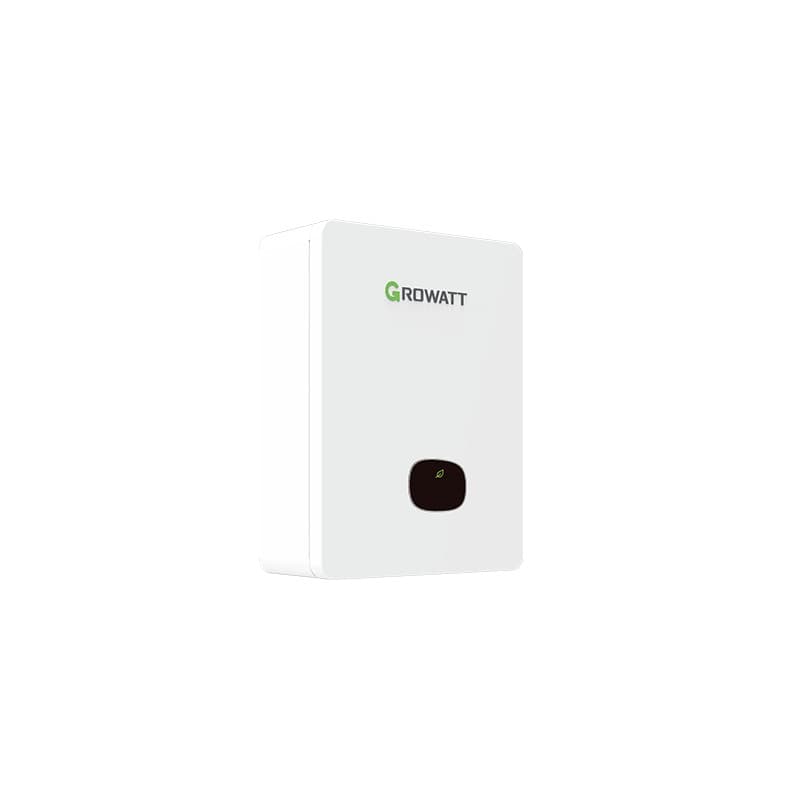
The default 2026 choice for a 3-4 AC villa in Mishref, Salwa, Bayan, or Surra. Three-phase 8 kW continuous, factory-rated to 60 C, IP65, dual MPPT, EPS backup for essential loads during the occasional MEW summer-peak outages, generator AC2 input for villas with diesel backup. Native ShineWiFi-X dongle for cloud monitoring.
2. South-coast chalet: MIN 5000TL-XH + battery
For weekend chalets in Khairan, Julai'a or Nuwaiseeb, the MIN 5000TL-XH single-phase hybrid with 10 kWh of ARK lithium delivers a self-sufficient weekend power supply even when the chalet sits unused for weeks at a time. Salt-air resistance from the IP65 + conformal-coated design is critical here.
3. Large villa or compound: MID 15-30KTL3-XH
For Kuwaiti family compounds with multiple living units, or large single villas with 5+ ACs and a swimming pool, the MID-XH range delivers 15-30 kW three-phase output with up to 6-unit parallel operation. Active fan cooling actually helps in Kuwait's sustained 52 C summers.
4. Industrial in Shuwaikh / Sabhan: MAX 100-150KTL3-X LV
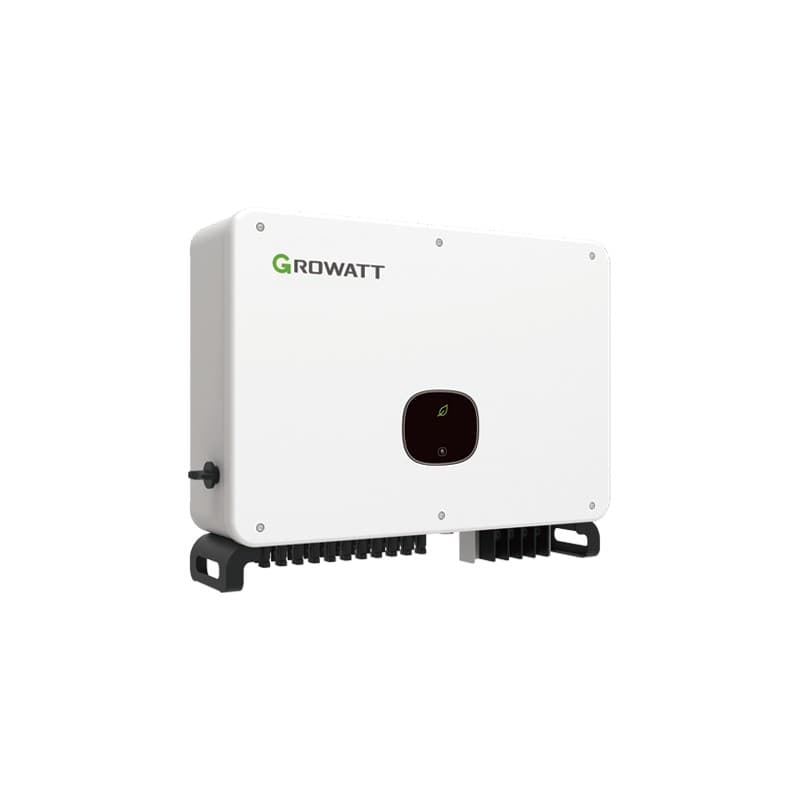
For warehouses and light industrial buildings in Shuwaikh, Sabhan, or the Mina Abdulla industrial zone, the MAX 100-150KTL3-X LV delivers 100-150 kW from a single string inverter with 12 MPPTs. 1500V DC architecture for the lowest LCOE on commercial-scale rooftops.
Why Kuwait demands the toughest spec inverters in the region
Compared to neighbouring markets, Kuwait pushes inverters harder on three axes:
- Sustained peak heat. Inverters in KSA and UAE get nightly thermal recovery; Kuwait's nights stay hot. Components run closer to their thermal limits for longer.
- Salt humidity. Coastal installations in Kuwait face stronger salt-laden humidity than Riyadh or even Dubai. Conformal coating becomes essential, not optional.
- Subsidy-distorted economics. Because MEW residential tariffs are heavily subsidised, only large-bill homes get fast payback. This pushes installations toward larger system sizes (10-20 kW typical for villas), which in turn demands inverters that can deliver sustained nameplate output in extreme heat.
Growatt's response — 60 C factory rating, conformal-coated PCBs, IP65 sealing, fan-forced cooling on MOD and MID models — is well-matched to these requirements.
Where Growatt wins in Kuwait
- Three-phase MOD and MID series match Kuwaiti villa electrical architecture out of the box.
- 60 C factory rating with conformal-coated PCBs survives Kuwaiti summer better than entry-tier brands.
- Authorised Kuwaiti distributor with stock in Kuwait City, replacement units typically within 5-7 days.
- ARK battery integration is native — Kuwaiti villas benefit significantly from battery storage to push self-consumption above the subsidy tier and into the value-positive range.
Where Growatt isn't the first pick
- If you want 10-year standard inverter warranty out of the box, Sungrow leads. Growatt is 5 years standard.
- For pure off-grid remote sites without MEW connection (rare in Kuwait given near-universal coverage), the Growatt SPF series works but Felicity and Voltronic offer more options.
- If you specifically want Tier-1 European-brand prestige, SMA and Fronius are alternatives — at 30-40% price premium.
Mistakes to avoid in a Kuwaiti Growatt installation
- Installing inside a closed garage or service room. Even with IP65 and 60 C rating, indoor mounting in Kuwait causes thermal stress. Always external shaded wall.
- Choosing single-phase for a three-phase villa. Most Kuwaiti villas have three-phase MEW connections. Match the inverter to the existing service.
- Buying from a non-MEW-recognised reseller. Without a MEW-registered local agent, warranty service is impossible and net-metering paperwork may be rejected.
- Skipping the conformal-coating verification. For chalet installations on the south coast or villas in Salmiya/Gulf Road, salt humidity attacks unprotected boards within 2-3 summers. Confirm conformal coating with the distributor.
- Skipping the bidirectional meter step. MEW requires a utility-installed bidirectional meter before net-metering credits begin. Installation without this means exports earn nothing.
- Ignoring monthly cleaning. Kuwait dust loading is heavier than any other Arab country. Monthly external cleaning is non-negotiable.
The bottom line for Kuwaiti buyers
For most Kuwaiti homeowners in 2026, the Growatt MOD-XH (three-phase) hybrid family is the best price-performance choice — 60 C factory-rated, IP65, IEC 62109 certified, MEW-compliant, with conformal-coated PCBs that survive Kuwait's extreme sustained heat and coastal humidity. Pair with ARK lithium battery to push self-consumption into the value-positive tier under the new tiered residential tariff, and you have a 5-7 year payback on a system that will last 20+ years in one of the harshest power-electronics environments in the world.
Frequently Asked Questions
Which Growatt inverter is best for a Kuwaiti villa in 2026?
Are Growatt inverters MEW-approved in Kuwait?
Do Growatt inverters survive 52 C Kuwaiti summers?
How much does a Growatt solar system cost in Kuwait?
Does Kuwait have net-metering for residential solar?
Why are Kuwaiti installations more demanding on inverters than Saudi or UAE?
What warranty does Growatt offer in Kuwait?
Ready for a personalized quote?
WhatsApp us — average reply time under 15 minutes.
Related Products
Related Articles
Best Growatt Inverter for Saudi Arabia 2026: Villa & Commercial Buyer's Guide
Best Growatt Inverter for the UAE 2026: DEWA, ADDC & Sharjah Buyer's Guide

Growatt Inverter Qatar 2026: The Kahramaa Compliance Buyer's Guide
